

Whether you’ve decided to create a home bar (no more drinking wine from coffee cups!) or you’re just looking to strengthen your cocktail know-how, understanding glassware is a good place to start. The shape your tipple takes can significantly impact your experience, helping to elevate each sip. Form often follows function, so it’s important to know the best use cases for common glasses to ensure your cocktail is as delicious as possible. Consider this your unofficial guide.
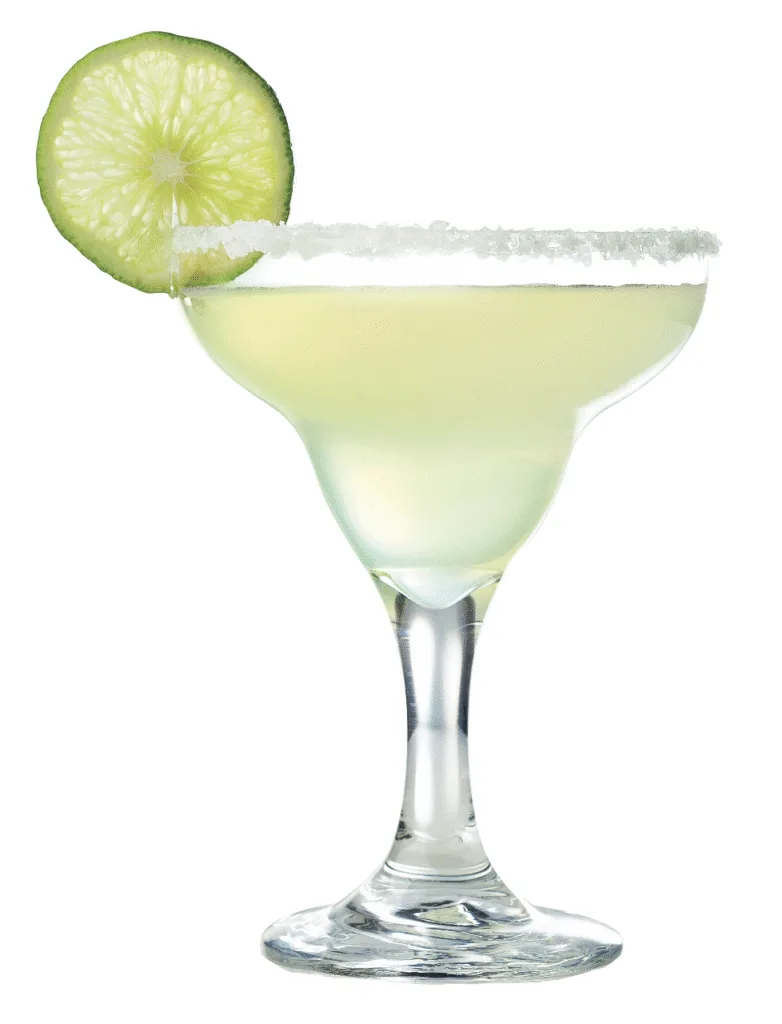
Margarita
Much like the eponymous drink, the origin of the margarita glass is shrouded in mystery. Something that can’t be contested is the excellent form it takes. The generous, wide bowl allows for aromas of tequila and lime juice to circulate more easily, while also providing a rim large enough for garnishes like salt, sugar, or Tajín. The long stem means imbibers can securely hold the chilled drink without warming up the cocktail.
Nick & Nora
Named after Nick and Nora Charles, a stylish, crime-fighting couple with a penchant for martinis in the 1934 film The Thin Man, this cocktail glass features a deep, rounded bowl perched atop a long stem. A favorite among bartenders for its spill-avoidant shape, any cocktail served up would be right at home in one, especially a martini.
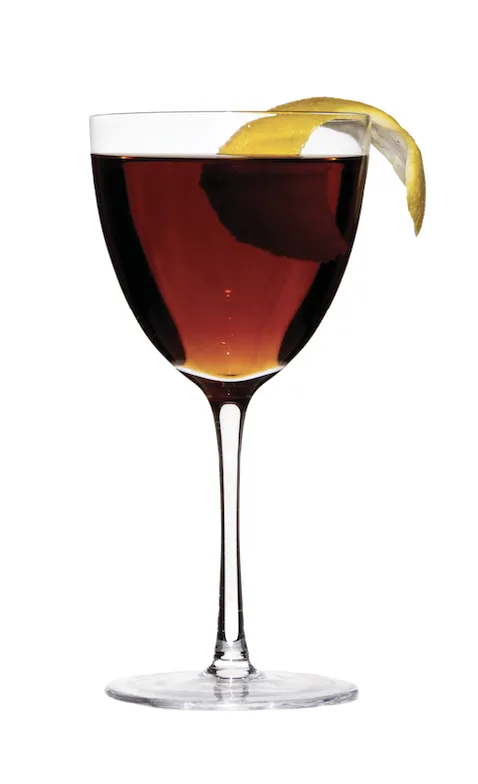
Common Nick & Nora cocktails: Martini, Sidecar, The Last Word
Wine Glasses
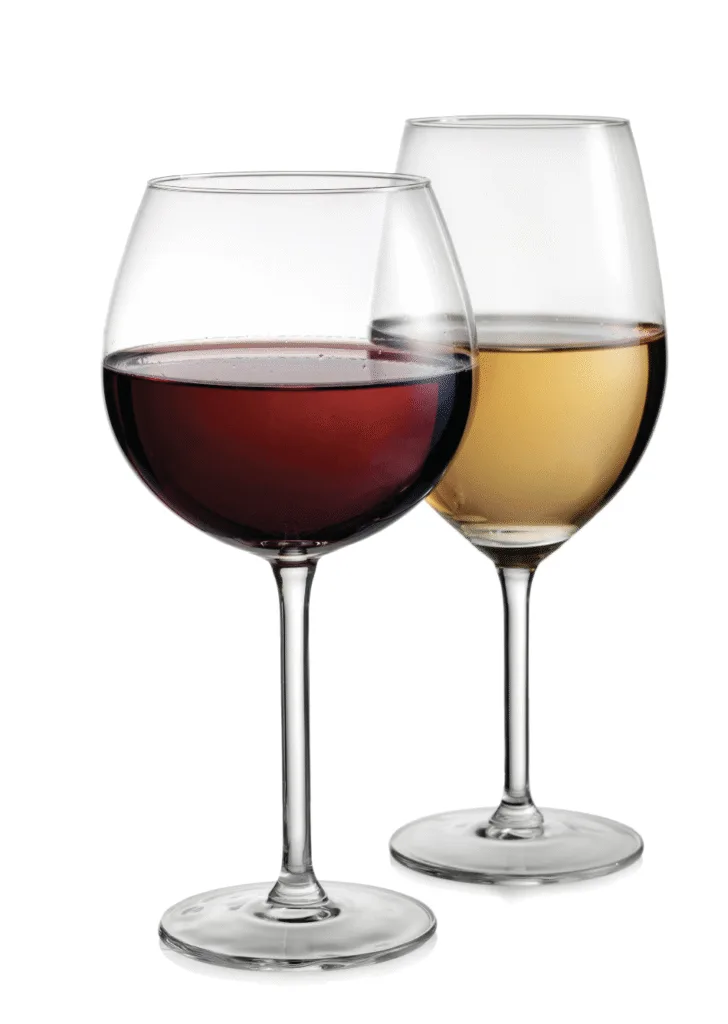
There are some subtle, nuanced differences between red and white wine glasses. Red wine glasses have larger openings and a rounder bowl. Because red wines tend to be richer, exposure to air from the wide mouth helps flavor develop. White wine requires less aeration, which is why the glass is slightly less curved and narrower. The smaller opening also helps concentrate aromas with every sip. Because white wine is more sensitive to temperature, white wine glasses have a longer stem to reduce the impact of body heat.
Collins
This tall, slim glass earns its moniker from the classic Tom Collins cocktail, a delicious combination of gin, lemon juice, simple syrup, and club soda. Drinks destined for Collins glasses are high volume, with 10–14 ounces of liquid, ice, and a carbonated component. The Collins’ narrowness helps keep things bubbly and the ice stacked, reducing dilution.
Highball
Often used interchangeably with a Collins glass, highballs hold slightly less volume, typically ranging from 8–12 ounces. Additionally, it is meant for drinks comprised of just a spirit and a mixer.
Common highball cocktails: Vodka Soda, Gin and Tonic, the Paloma
Martini
Introduced in 1925 at the International Exhibition of Modern Decorative and Industrial Arts in Paris as an angular alternative to the Champagne coupe, the iconic V-shaped glass remains a testament to good design. Its spindly, extra-long stem ensures that your martini remains chilled by keeping hand-heat at bay. The extensive rim allows a large swath of the cocktail to come into contact with air, helping open up flavors. Rumor has it that martini glasses were especially popular during Prohibition because it was easier to toss their contents during raids.
Flute
Bubbles, a hallmark of Champagne, last longer in slender, narrow flutes. The slim glass helps maintain fizz, keeping it carbonated until the last drop. Its small opening helps condense any fragrance, allowing for a multidimensional experience with each sip.
Coupe
Originally used as the sole vessel for Champagne, this petite beauty is a go-to in contemporary cocktail bars. They can hold 4 ounces of liquid, making them ideal for drinks served up, or without ice. The wide, shallow glass provides plenty of room for bartenders to get creative with garnishes.
Common coupe cocktails: Manhattan, Clover Club, Bee’s Knees
This article originally appeared in the October 2025 issue.