
When the James River Association marks its 50th anniversary this year, it does so against a backdrop that would have seemed unimaginable at its founding: a river reborn.
When the JRA formed in 1976, its namesake waterway was a poster child for environmental disaster. Fish and shellfish populations were threatened by decades of unsustainable harvesting and habitat loss. Outdated water treatment plants spilled literal tons of sewage into the water. Widespread DDT pesticide use sparked mass wildlife die-offs. Then, a Hopewell chemical manufacturer illegally dumped more than 100 tons of roach-killer Kepone into the river—and it was like an ecological apocalypse.
Among the most visible losses was the total disappearance of bald eagles. Iconic species like Atlantic sturgeon, blue crab, and oysters also vanished or saw steep declines. A commercial fishing ban and no-swim advisory was imposed south of Richmond for 13 years.
“The James was considered one of, if not the most polluted rivers in the country,” says JRA President and CEO Bill Street. The damage was so acute “that no one really knew if or to what extent it could be repaired.”
Public outrage and landmark protections—including the Clean Water and Endangered Species acts—curbed the destructive tide. Aggressive management strategies spearheaded by agencies like the Virginia Department of Wildlife Resources brought further gains. Conservation nonprofits and volunteer friend groups formed in droves—but none have been as essential to the comeback of America’s Founding River as the JRA.
The organization has played a central role in affecting “one of the greatest conservation success stories of all time,” says Bryan Watts, founding director of William & Mary’s Center for Conservation Biology. Now people look at the James and “see an example of what’s possible.”
The JRA started humbly as an alliance of 140 riverfront landowners between Hopewell and Newport News. “They realized it was either accept whatever came their way next,” Street says, “or band together and advocate for the river.”
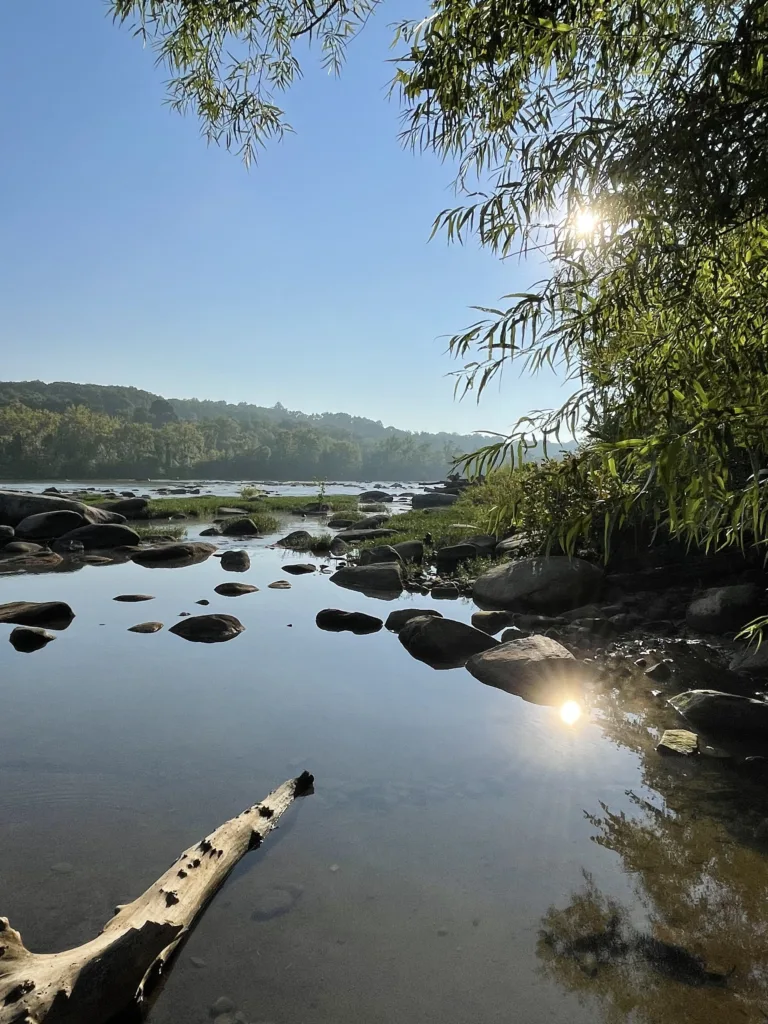
Rock pools along the James River
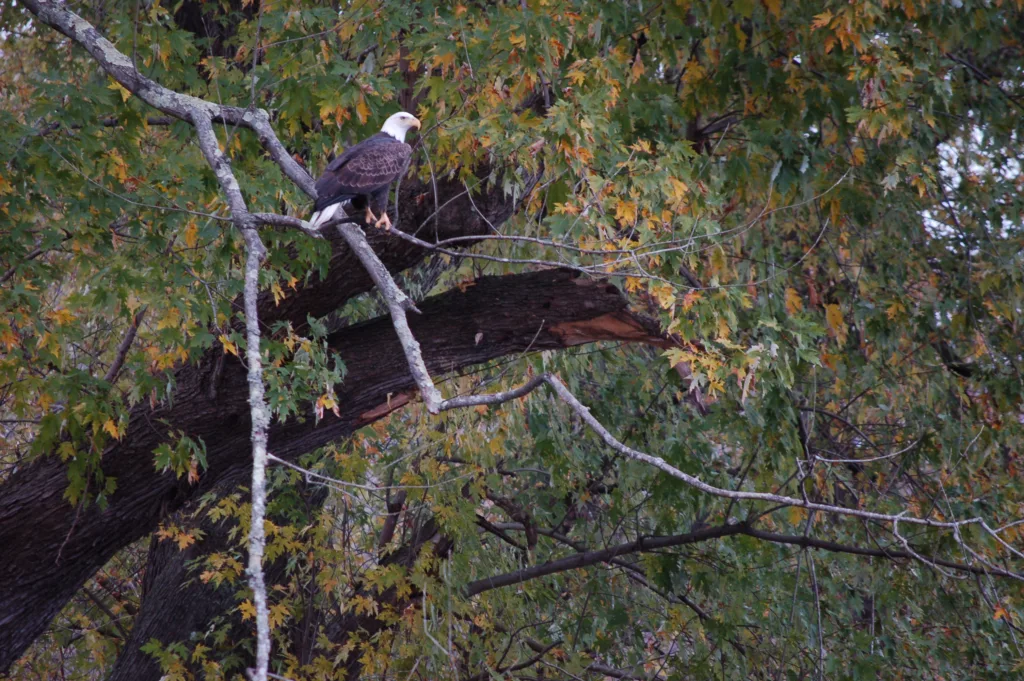
Bald eagle on the James. Photo courtesy of Jamie Brunkow | JRA
The vision snowballed. In 1983, the JRA hired its first executive director and became instrumental to the Chesapeake Bay Watershed Agreement, uniting Maryland, Washington, D.C., and Virginia in a globally unprecedented effort to restore the nation’s largest estuary. In 1995, a merger expanded the organization’s focus to include the river’s full 340-mile span and massive 10,000-square-mile watershed.
“That was a transformational moment,” says Street. “You couldn’t have a healthy lower James and Chesapeake Bay without protecting the tributaries that feed them.”
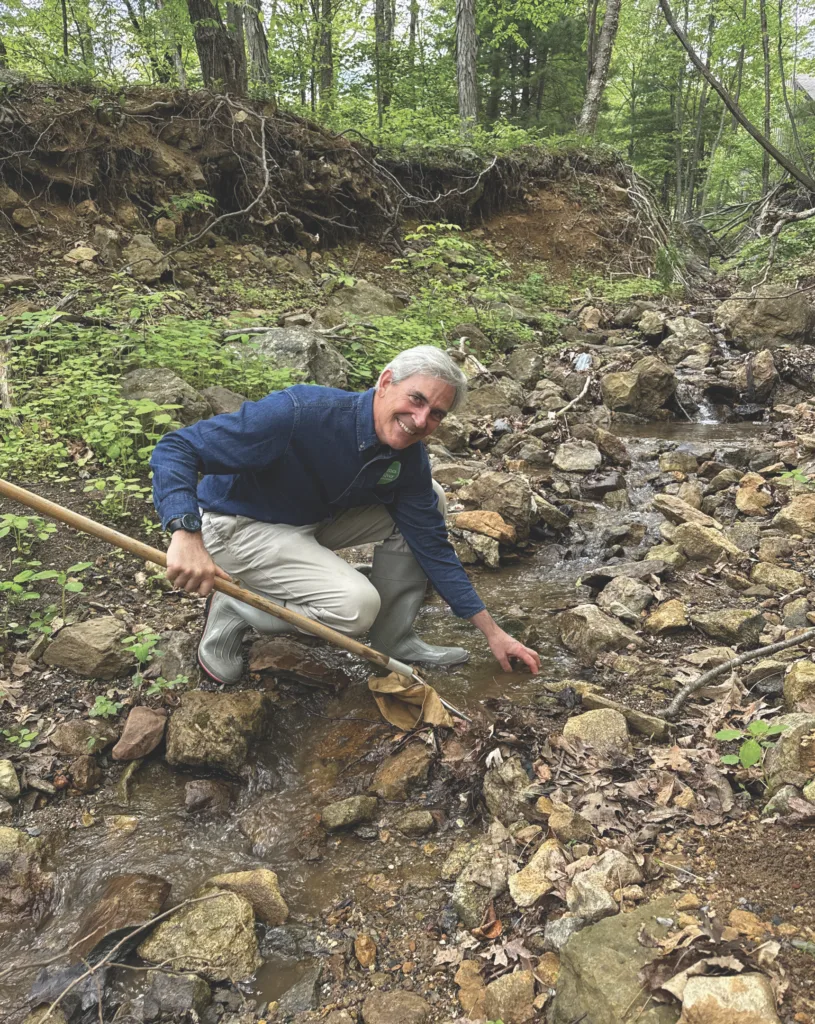
Street took the JRA’s reins in 2005 and has captained an explosive period of growth. The nonprofit now boasts 50 full-time employees buoyed by thousands of volunteers. Dedicated riverkeepers monitor the waterway’s full length, while instructors introduce kids to riparian ecosystems at a quartet of education centers. Programs have established countless acres of living shoreline and stream buffers, and 2025’s overall “B” report card grade was the highest yet.
Watts, who arrived at William & Mary around 1984, says: “If you’d told me back then we were going to see this kind of turnaround, I’d have called it wishful thinking.”
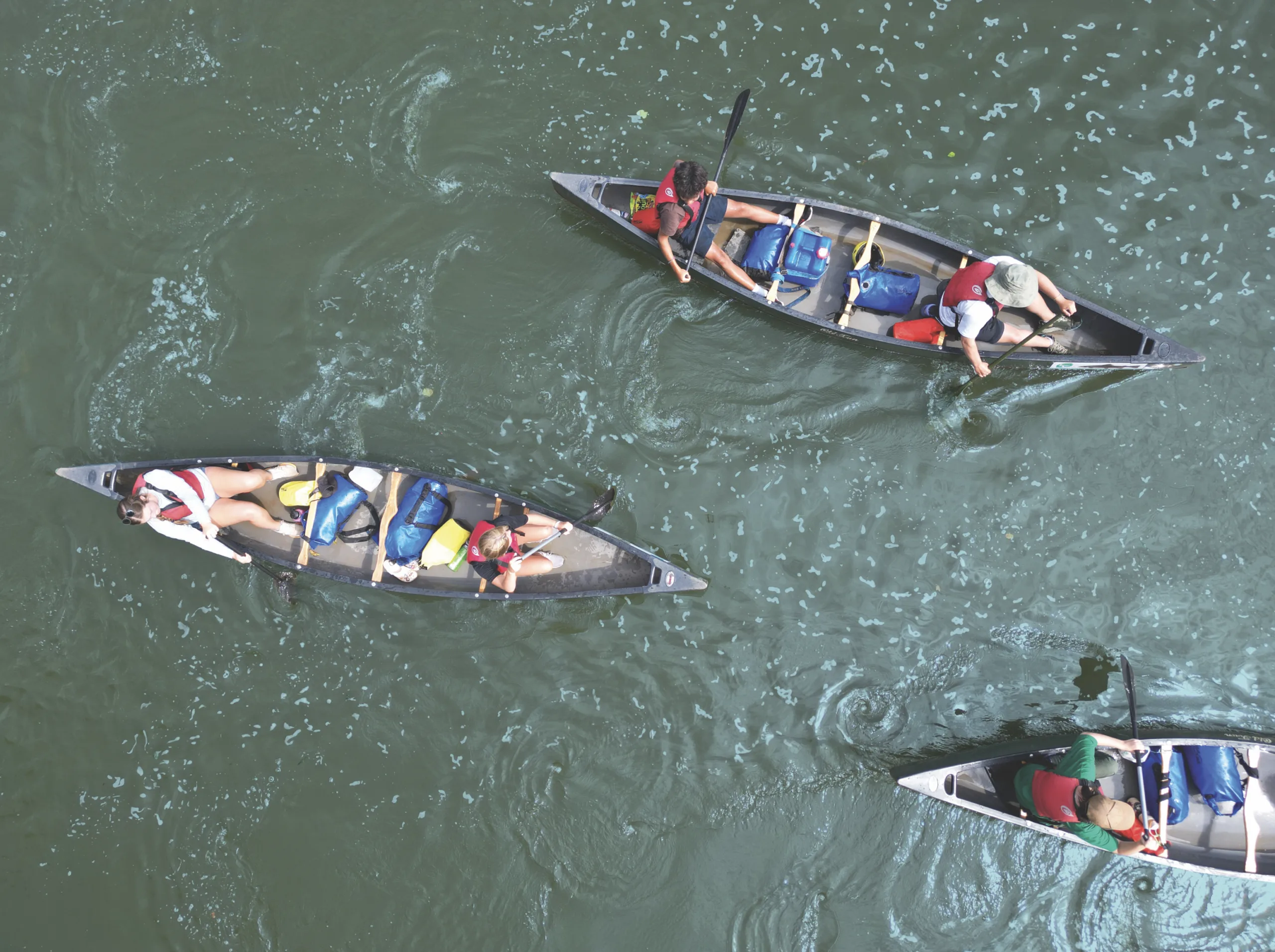
Yet the James now boasts the densest population of breeding bald eagles in the Lower 48. Atlantic sturgeon breach in massive schools each spring and fall. An oyster renaissance has reestablished Virginia as a bivalve mecca. More than 50 new boat ramps, public access points, and miles of blueway trails have revolutionized paddle recreation.
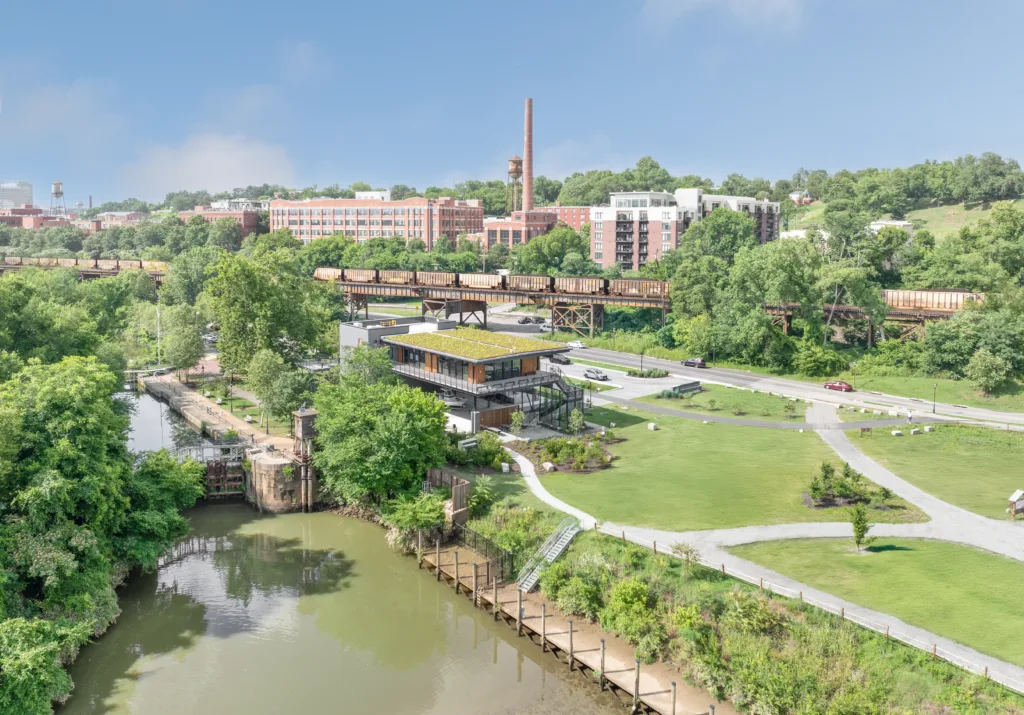
Among the JRA’s most tangible investments in the river’s future is the James A. Buzzard River Education Center—a hub for JRA’s educational programming and a living example of sustainable, flood-resilient architecture that connects students and community members to the watershed through hands-on experiences.
“We’ve come a long way and intend to use our 50th anniversary as a platform to celebrate all that’s been achieved,” says Street. “But the work is nowhere near finished. Our goal is to take a breath, capitalize on the momentum, and keep the comeback coming.” TheJamesRiver.org
This article originally appeared in the August 2026 issue.