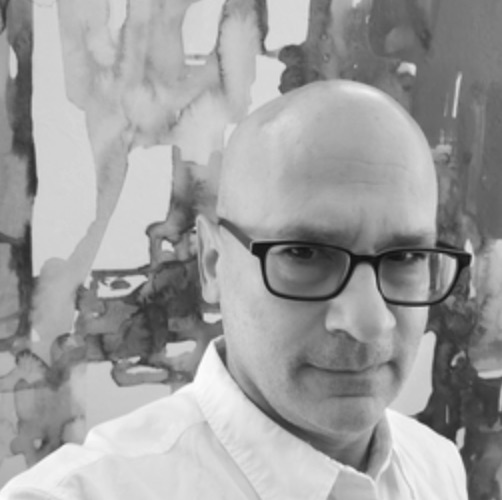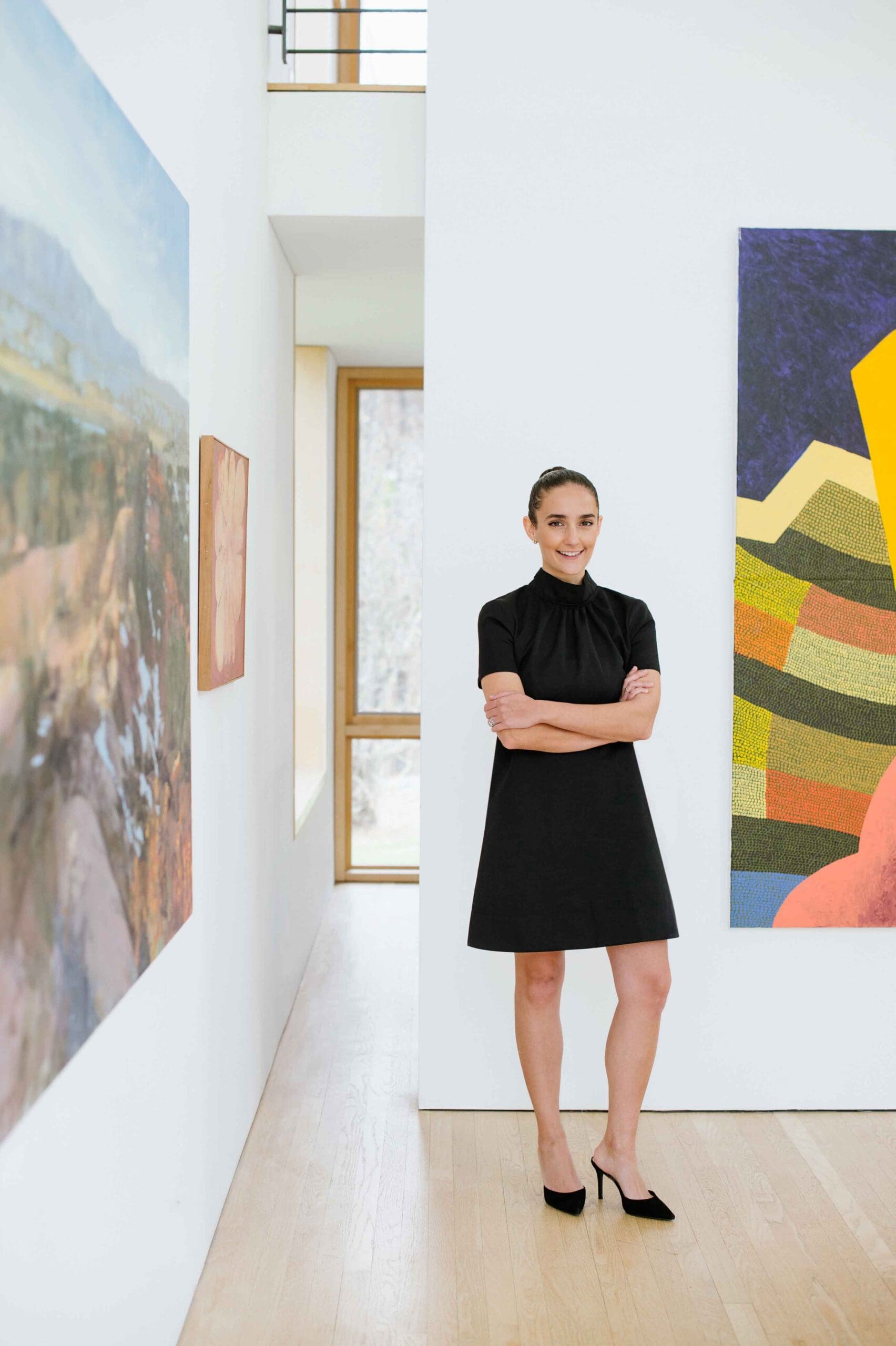

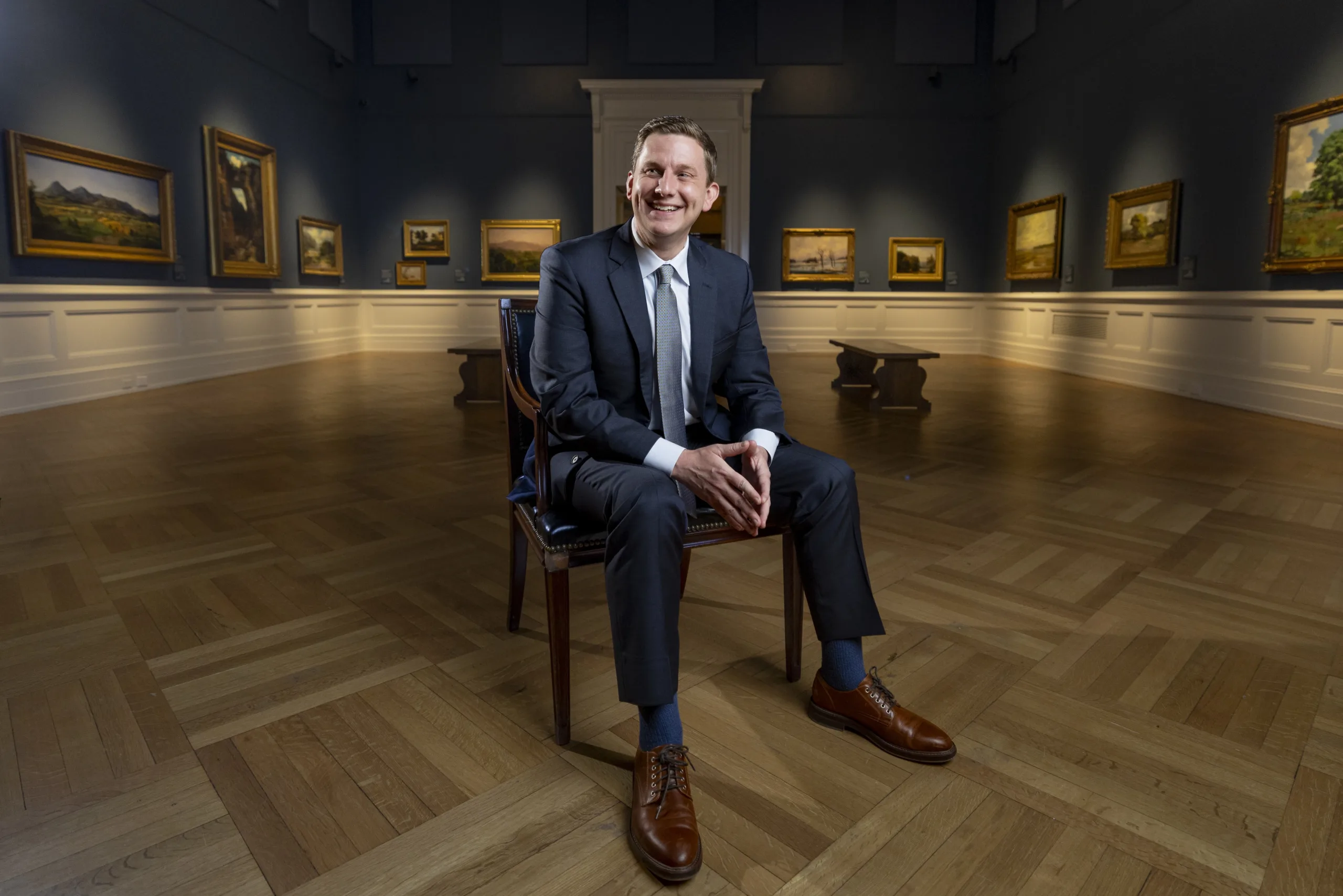
Jamie Bosket has been actively planning for the Commonwealth’s commemoration of America’s 250th birthday since 2017, when he became president and CEO of the Virginia Museum of History & Culture (VMHC) in Richmond. He previously worked at George Washington’s Mount Vernon as vice president of guest experience. Writer Craig Stoltz, a frequent Virginia Living contributor, sat down with Bosket for a look at VMHC’s plans for celebrating VA250.
Craig Stoltz: When did you first think about how to commemorate America’s 250th birthday?
Jamie Bosket: Back when I worked at Mount Vernon, I’d learned about the history of the bicentennial in 1976. I talked to a lot of people who had vivid memories of what they experienced and what it meant to them. When I came to VMHC, I knew we’d have a seminal opportunity to lead the state and the nation to capture a similar shared historical moment.
C.S.: How’s this moment different?
J.B.: Of America’s nearly 22,000 history museums and historical organizations today, about one-third were founded around 1976. But we don’t need more museums now. What we need is to invest in and empower them. For the 250th, we’re helping our more than 400 town, local, and regional historical organizations tie together history with democracy. As history institutions, we should acknowledge the fact that history is one of the most fundamental ingredients in a successful democracy.
The public has very high trust in history organizations. This creates a great opportunity around the 250th to engage the public with some of the most important issues of the day.
C.S.: The fear is always that on July 5 all of this work is forgotten. What are you doing to give your work a lasting impact?
J.B.: We’ve created a first-of-its-kind curriculum to allow the consistent and thoughtful teaching of civics for all Virginia middle school students. You can see it online—lesson plans, classroom activities, video assets. It’s all endorsed by the Virginia Department of Education. This will be a lasting legacy of the 250th.
C.S.: You’re doing some ambitious exhibitions at the VMHC itself for the 250th. But only a relatively small number of Virginians will come to Richmond.
J.B.: Both of the major exhibitions, Give Me Liberty, about Virginia’s Revolutionary movementand We the People, about the role of immigration here, have traveling versions, and they’re crisscrossing all around the Commonwealth—in schools, community centers, museums, history societies. Give Me Liberty is in 70-plus locations. We’re in the main atrium of the Richmond International Airport for a full year. You can’t get through the airport without seeing it. [Laughs] We believe we can reach 10 million people.
C.S.: How do you hope Virginians think about the 250th?
J.B.: It’s like our own birthdays. We don’t just talk about the day we were born. We talk about the life we’ve lived. Let this be a moment for Americans, and Virginians, to think about the life we’ve lived as a nation and a Commonwealth—and a moment that holds us accountable for continuing to move forward toward a more perfect union.
C.S.: What is the single coolest thing VMHC will be doing for the 250th?
J.B.: Our IllumiNATION. We’ve commissioned a major light and sound production to be displayed on the 18,000-square-foot limestone facade of the museum on some June nights before the 4th of July. With Arthur Ashe Boulevard closed off, and live music and entertainment … the big moment arrives at 9 p.m … the lights come down … and then there’s a sweeping, 20-minute narrative of two-and-a-half-centuries of America all across the front of the museum. Cool, right? My hope is this will be our greatest memory maker for the July 4th moment.
Featured photo of Jamie Bosket by Kyle LaFerriere. This article originally appeared in the June 2026 issue.