
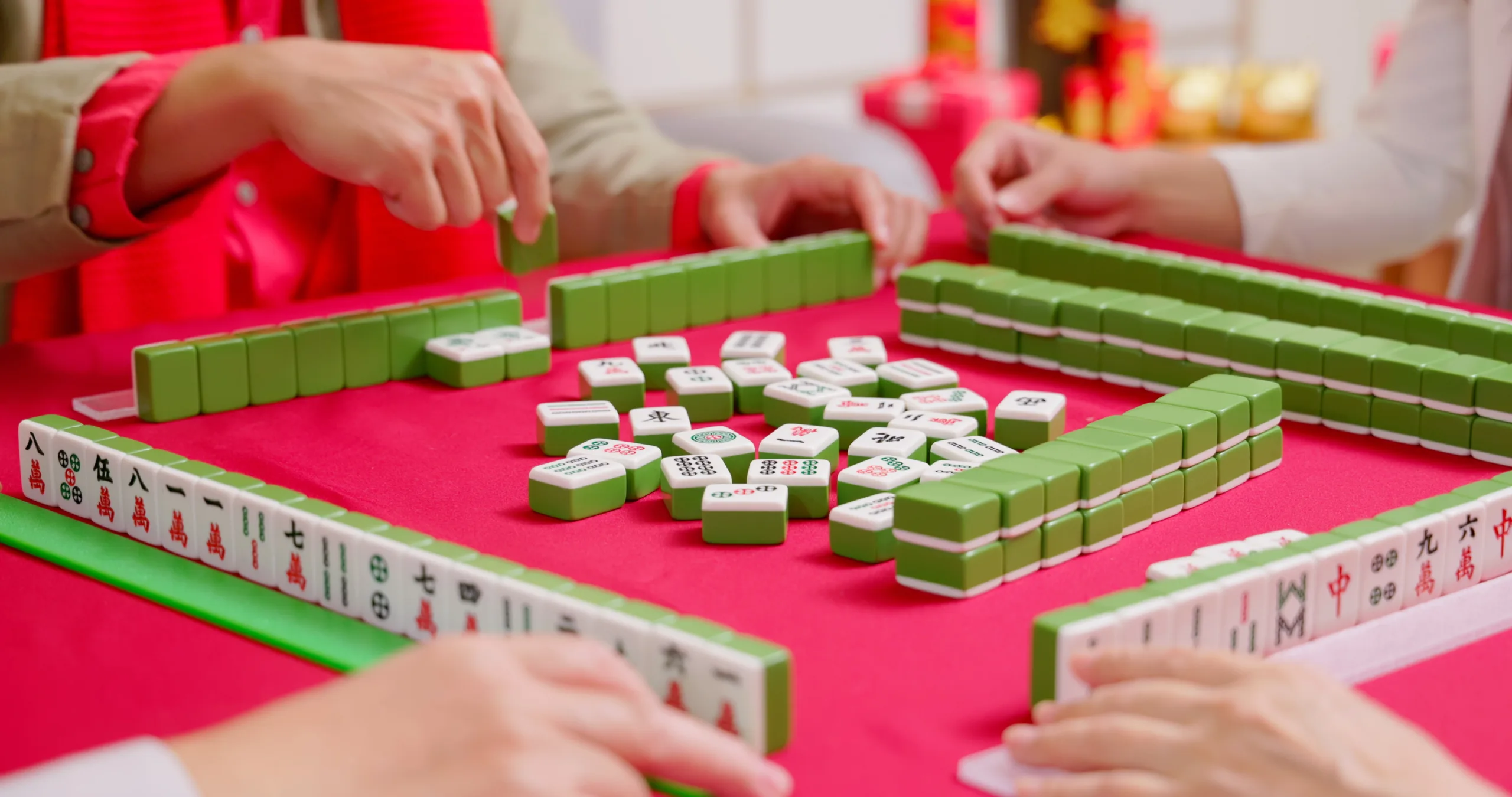
The sound of racking tiles echoes throughout the room. Eyes focus and brains whir as the sun comes through the window, reflecting shadows on Carter’s Creek outside. Inside, new friendships are forming as Mahjong at The Tides takes over. Mahjong has officially arrived in
Virginia, and it’s here to stay. The Chinese tile game has been popping up in hotels, classrooms, living rooms, clubs, and among friends, yielding new ways to socialize and build community.
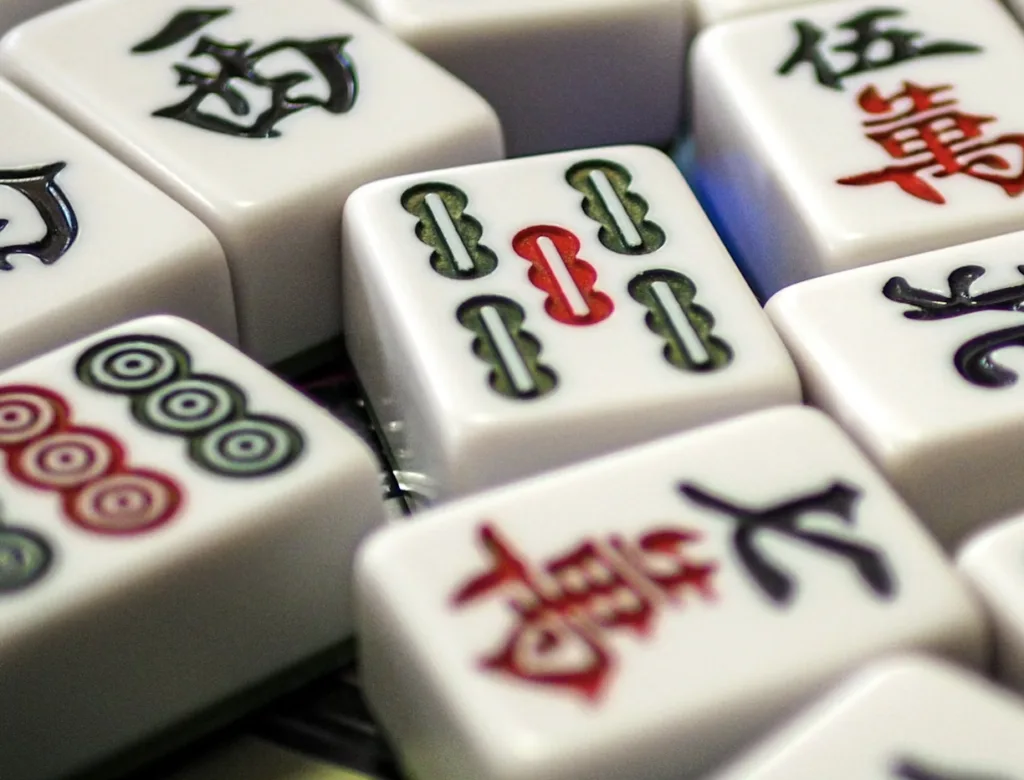
With origins in 19th-century China, mahjong includes domino-like tiles in different suits—cracks, bams, and dots—where players draw tiles and collect them as they go. Tiles also include Chinese characters for the four compass directions, representing the four winds, as well as flowers. American mahjong includes joker tiles. The first player to create a winning hand of 14 tiles arranged into four sets wins. Winning hands are determined through the National Mah Jongg League’s “Official Standard Hands and Rules” card. Issued yearly, it’s a hot commodity among in-the-know mahjong players. Dana Lange learned Chinese mahjong from her grandmother. She eventually played the American version and fell in love with it—especially the “Charleston” phase, a series of 3-tile exchanges where players pass unwanted tiles to the right, across, and left to improve their hand.
Now Lange teaches mahjong to private groups and hosts classes anywhere there’s an invitation. The latest is The Tides Inn in Irvington. Picture three days of tantalizing food, breathtaking water views, and lots of mahjong. There are two different types of groups: beginners and those who know the game, along with hours of learning with Lange—the different hands, the strategies, and tiles.
The Tides Inn is not the only hotel participating in the mahjong craze. In picturesque Lexington, Beth Moore organizes mahjong events for The Georges, a boutique inn, in a similar fashion. Moore recognizes the game’s absolute craze and how it used to be popular mostly among an older demographic, mostly women, but now Moore’s daughter, in her 30s, is joining the trend.
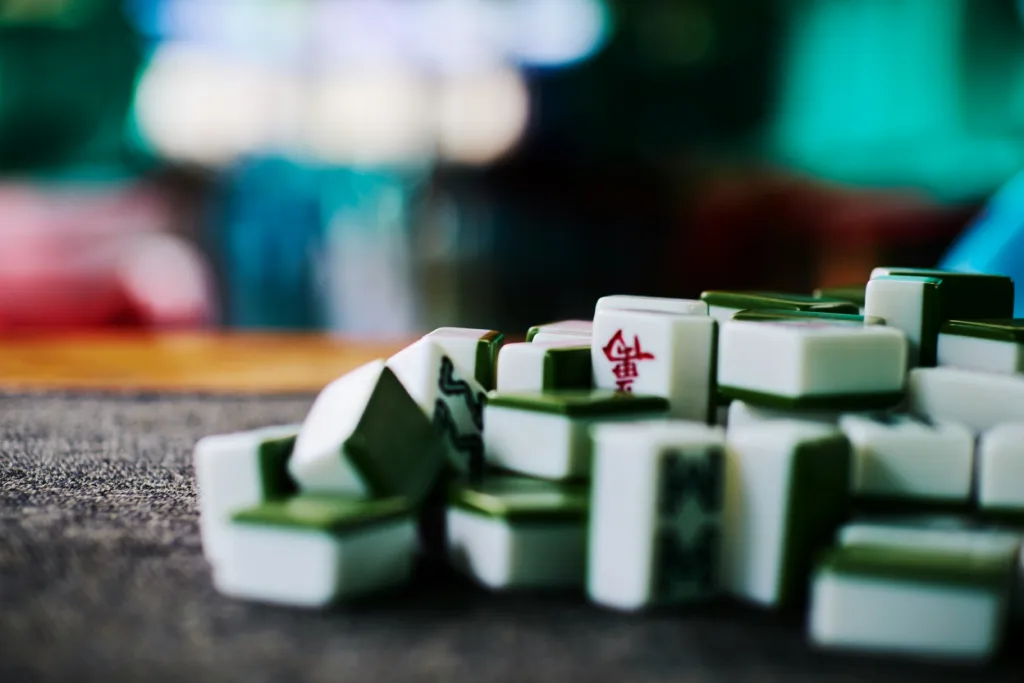
Elizabeth Andrews, who is the instructor at The Georges, fell in love with the game three years ago. A friend asked to learn, and by word of mouth, Andrews soon became a mahjong instructor—the perfect destiny for a retired teacher. Her favorite part? Seeing a light bulb go off in her mahjong students the same way she saw when teaching 6-year-olds how to read. “I love watching a family learn together and knowing that they can play together for the rest of their lives,” Andrews says.
The game has its share of celebrity players, too. Julia Roberts is an avid mahjong player and grew up with a 100-year-old ivory set that belonged to her grandmother. In an interview with Stephen Colbert, she described the game as “friendly” and a metaphor for life that “creates order out of chaos using the random drawing of tiles.” In the movie Crazy Rich Asians, a group of women meet to play and gossip, and in a pivotal scene, a young woman proves her smarts by beating her mother-in-law in a game. Billy Crystal and Sarah Jessica Parker play, as does Fran Drescher, who does a special victory jig when she wins.
Most who play agree that those learning should not play to win. “The beauty of mahjong is
that most of the time you’re going to lose, but you’re happy for the winner,” Lange says, adding that the camaraderie among players is one of her favorite things about the game. For many players, it’s more about friendships and fun rather than competition.
Once, Lange was called to teach a group of widows. They had come together in support of one another in an attempt to deflect their grief. “Mahjong changes people’s lives,” Lange says. “This group of widows thought their lives were over, but after they started playing together, they said, ‘now I have friends who look out for me; it’s the reason I get up in the morning.’ The connection with the people you play mahjong with is extremely important—you have a support group.”
This article originally appeared in the June 2026 issue.