

David Schmidt spent his childhood doing more than reading about history in textbooks: He lived it.
Growing up in James City County, Schmidt’s mother enrolled him in programs at Colonial Williamsburg, and by age 7, he was participating in the living history museum; at 10, he joined the Colonial Williamsburg Fife and Drum Corps, performing in period dress until his mid-teens. One summer, he dug at Historic Jamestowne alongside his brother Danny, an archaeologist.
His experience in history classes at Hampton Roads Academy, combined with his immersion at Colonial Williamsburg, ignited something permanent. College at Dartmouth, where he majored in history, sealed the deal. “American history is a great story,” Schmidt says.
It’s a love that never left him. Decades later, Schmidt is now co-director of Ken Burns’ sweeping documentary The American Revolution—a 12-hour, six-part series that premiered on PBS in November of last year. Schmidt says it’s “a real homecoming.”
A Decade in the Making
The film began taking shape in 2015, when Burns gave it the green light. The ever-prescient filmmaker deliberately timed the project to coincide with America’s 250th anniversary. Schmidt arrived through previous Burns collaborations, including The Roosevelts (2014), Vietnam (2017), and the two-part biography Benjamin Franklin (2022). His co-director, Sarah Botstein, was fresh from Burns’ U.S. Holocaust series. By 2018, the full team—including longtime Burns writer Geoffrey C. Ward—was focused almost entirely on the Revolution. At its peak, the production team numbered around 40 people.
The Burns Way is deeply based on research. “Once we know we’re going to make a film and we start raising money, we all start reading, doing old-fashioned research,” Botstein says. “And then we figure out who’s alive who’s spent their careers studying a subject—whether they’re writers, academics, social thinkers.” The pedigree of the experts who’d signed up was staggering—from Monticello’s Jane Kamensky to historian Joseph Ellis, plus Vincent Brown, professor of American history at Harvard, Pulitzer Prize–winning writer Rick Atkinson, and University of North Carolina at Chapel Hill professor and historian Kathleen DuVal.
But scholars are only one layer. What gives the film its emotional pulse are the more than 400 first-person voices Schmidt unearthed—letters, diaries, pamphlets—some from famous founders, but others from ordinary people. “Characters that you haven’t heard of, or lesser-known quotes from Adams, Jefferson, Washington, Thomas Paine,” he says. “We weave together the famous names and the extraordinary and ordinary people who lived through the time and left some record of what they were thinking and feeling.” Those voices are performed by a star-studded cast, including Josh Brolin, Claire Danes, Morgan Freeman, Samuel L. Jackson, Kenneth Branagh, and Edward Norton.
Virginia at the Center
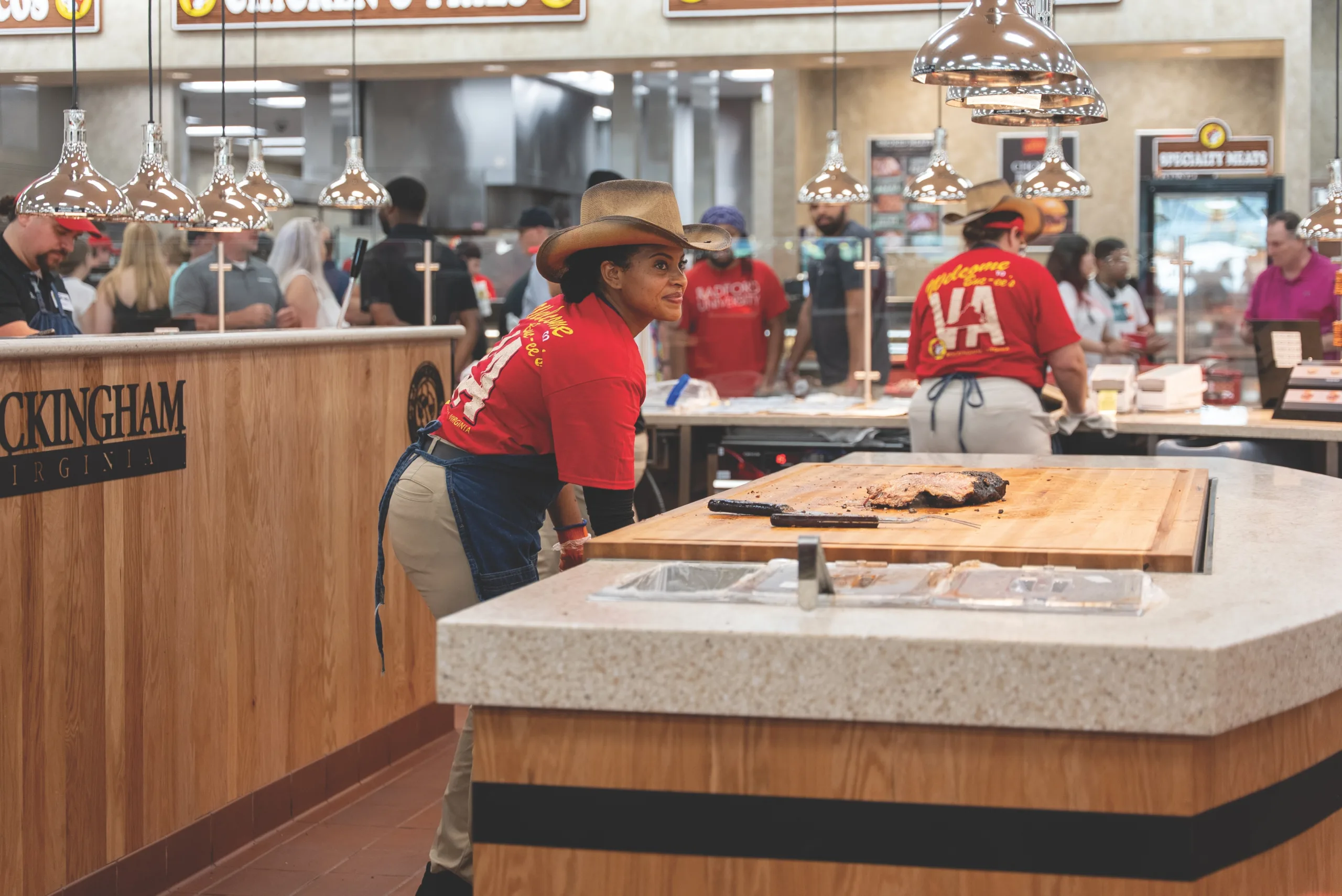
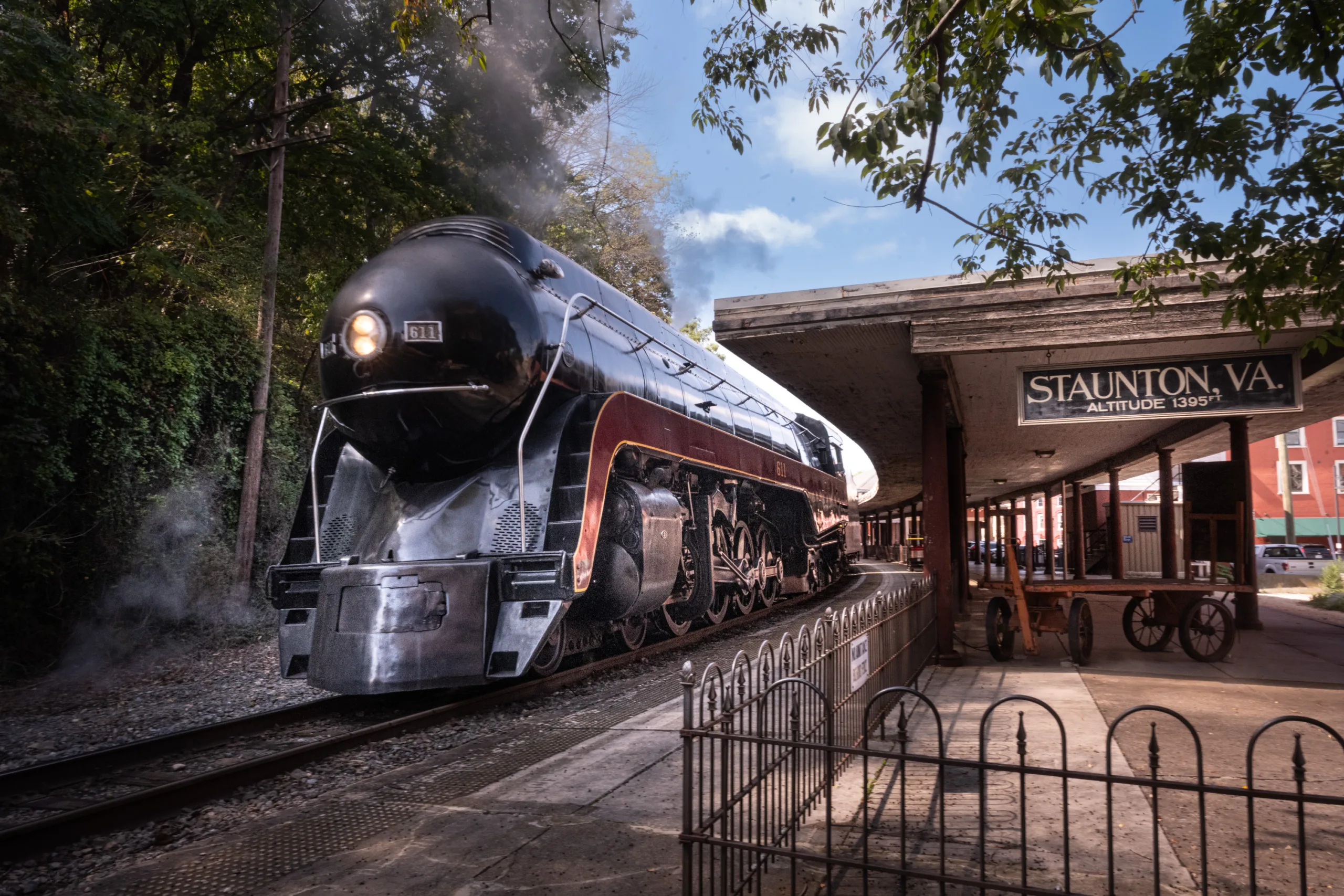
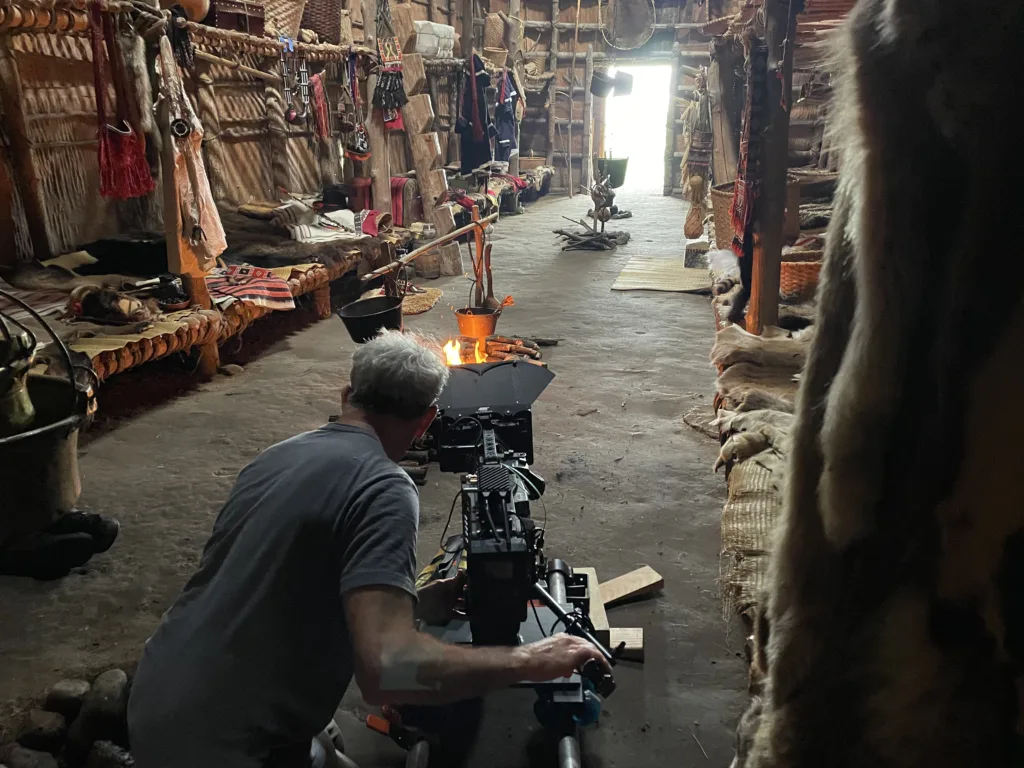
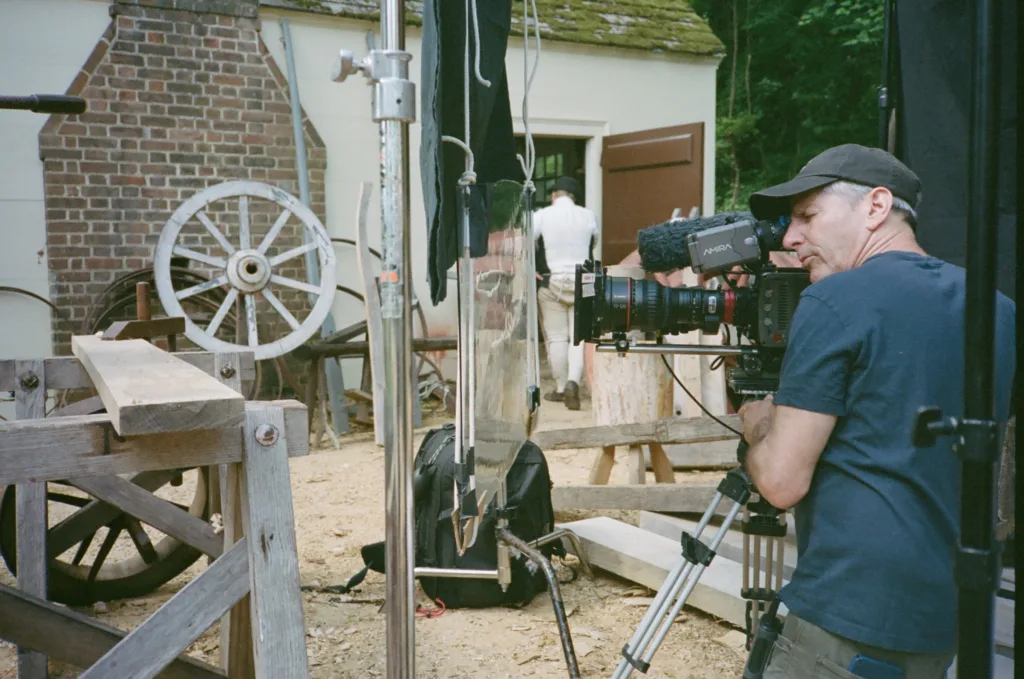
For Virginia audiences, the film resonates especially close to home. The production shot more footage in Virginia than anywhere else in the country—at Mount Vernon, Monticello, the Frontier Culture Museum, Berkeley Plantation, and throughout the Shenandoah Valley.
Schmidt had expected Virginia to feature prominently, but one story caught him off guard. “One of the stories that totally surprised me is how much Richmond came of age during the Revolution—because it’s up the James at the fall line,” he says. “Moving the capital from Williamsburg to the interior is an outcome of this war.”
What You Think You Know—and Don’t
Ask Schmidt why Americans should watch a documentary about something they think they already know, and his answer is direct: because you don’t actually know it.
“All of us have an understanding of the American Revolution virtually before we have conscious memory,” he says. “Washington is on our currency. There’s an American flag. The Fourth of July is our big holiday. We think about the Revolution a lot. But we don’t actually know that much about it.”
Two revelations reshaped his own understanding during the decade of work. The first: Independence was never the original goal, Schmidt says. “At the start of the war, it was about liberating Boston, about redressing grievances, about getting things back to the way they had been when we were all happy under the British Empire,” he continues. “Independence, republic, union—those are actual outcomes of the war.”
The second was more visceral. “The United States came out of violence. That should have been self-evident to me,” says Schmidt. “But I didn’t think about it that way. We think so often—if we think about the Revolution at all—in oil paintings.”
That violence, he argues, is the key to understanding everything else. “When you recognize the violent aspect of it, you understand what people sacrificed, what they were willing to do for it, what they were willing to kill and die for—it makes ‘all men are created equal’ matter much more. It makes the Bill of Rights and the Constitution matter much more, to understand the context of what those things came out of.”
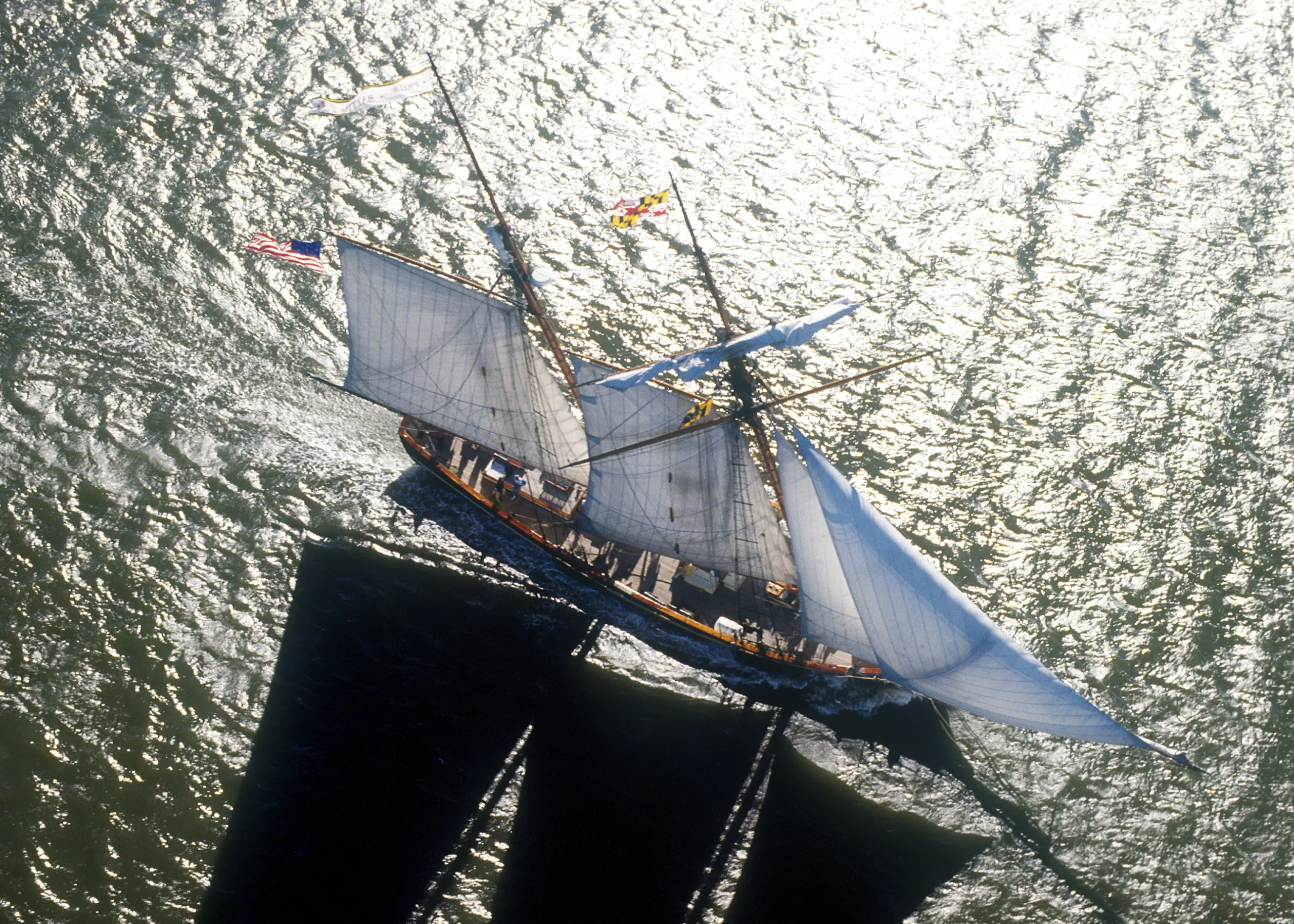
The war also stretched far beyond the 13 colonies. “It went everywhere—over the Appalachians into Indian country, along the Gulf Coast, into the Caribbean, to the Atlantic, off the coast of France and England, off the coast of Africa, even to India,” Schmidt says. “It’s huge.”
Why it Matters Now
“We hope that the film will remind us of how precious and important and unusual and crazy and unlikely and exciting this time in American history was,” co-director Botstein says. “How much responsibility we have as citizens to be engaged and take care of what became this very energized, exciting democracy.”
Schmidt draws a pointed parallel. The founders, he notes, knew exactly what happens when empires fall—and they tried to design a system that could survive peaceful disagreement. “They wanted to protect the minority—and I don’t mean that in the sense we usually think of minorities, but the less-than-the-majority, and their interests.”
He adds, simply: “America has always had a lot of different kinds of people figuring out how to live together—that is not new.”
For Schmidt, the film is ultimately neither a polemic nor a monument. It’s an act of filling in—restoring texture, sacrifice, and improbability to a story flattened by familiarity. Ten years after it began, he has spent the past year traveling the country promoting it.
“This is a story that belongs to every American,” he says.
This article originally appeared in the June 2026 issue. Feature image by Stephanie Berger.