


When your author was in high school, and an ardent devotee of that status-killing demographic “theatre kids,” I took part in a production of the play Arsenic and Old Lace. For those unfamiliar with this venerable comedy, it features two dotty elderly spinster sisters, Abby and Martha, who—solely out of kind-hearted compassion, they insist—murder lonely old gentlemen and bury them in the basement. Their weapon of choice is a glassful of homemade elderberry wine, laced with a soupçon of arsenic, strychnine, and cyanide. Cheers!
Here’s the thing, though. Could that toxic tipple have done the trick even without the embellishments? Skip the arsenic. Forgo the strychnine. Elderberry, it turns out, comes preloaded with its own poison.
Common or American elderberry (Sambucus canadensis) is a bushy native shrub that, from a gardener’s point of view, brings all the pluses. “Elderberry is one of my favorite plants, because it is relatively easy to grow, extremely tough and versatile, and can grow in a lot of different soil conditions,” says Jack Monsted, assistant curator of the native plant trail at the State Arboretum of Virginia in Boyce. “We have it growing in our wetlands in two feet of water, and we also see it upland in our meadows in some of our driest, open areas.”
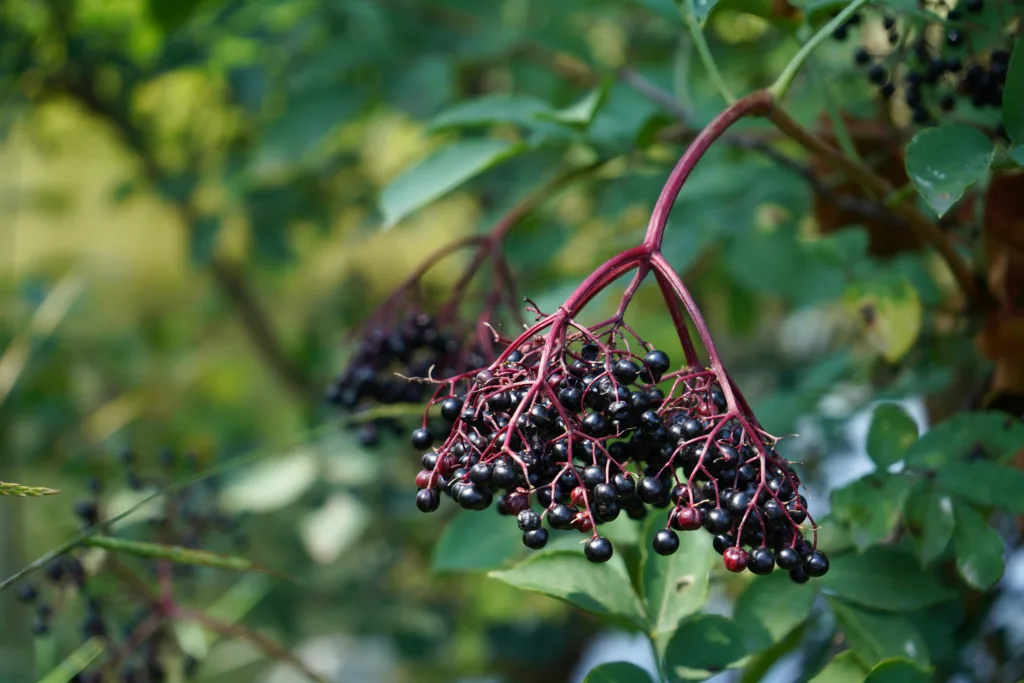
In late spring to early summer, the fast-growing plant is covered with fragrant clusters of creamy white blooms that attract pollinators. “The flowers have a beautiful, kind of lemony scent,” says Monsted. Then, in the late summer into fall, “the fruit is really good wildlife food for everything from birds to turtles,” he adds. “Lots of songbirds will eat the berries, and many different birds will nest in there as well.”

Those ripe berries are said to be delicious for people, too, and the juice thereof supposedly brims with immune-boosting and other beneficial properties. Elderberry tonics and syrups are readily available online for purchase, and there are plentiful recipes to be found using elderberries and elderflowers as well. Muddy Paws Winery in Scottsville makes an elderberry wine. Afton Mountain Elderberry in Afton makes jelly, juice, and glaze for your consumption.
So what to make, then, of these words of caution from The Socrates Project, that lively com
pendium of poisonous plants in Virginia: “All parts … including the roots, are poisonous and contain cyanide-producing toxins.”
A puzzling contradiction, no? Do we have before us Jekyll or Hyde? Tonic or toxin? Potion or poison?
“The berries themselves are fine,” explains Monsted. “It is all the other parts of the plant that are poisonous.”
In 2021, a group of researchers in Missouri plumbed the matter of elderberry toxicity in a study published in the journal Molecules. The researchers began with a quick précis of elderberry’s theoretical health-promoting properties, including being anti- just about everything you don’t want (-carcinogenic, -viral, -influenza, -bacterial) as well as being packed full of what you do want: flavonoids, polyphenols, and something called “anthocyanins,” which give the ripe berries their deep purple color. These qualities are making elderberry a hot property in the wellness biz, and “the elderberry industry is poised for major expansion,” the authors note.
But then the kicker. “However,” the article muses, “its competitiveness … may be hampered in part due to uncertainty regarding the presence of cyanogenic glycosides … ”
Oh, I don’t know. I mean, who doesn’t hanker after a spot of cyanic glycosides with their morning pancakes?
Still, good news, everyone. The authors go on to do science for some considerable number of pages filled with loose talk about electrospray ionization and sodium adducts and solid phase extraction, before at last concluding, to everyone’s collective relief, “no quantifiable trace of cyanide … was detected in commercial elderberry juice.”
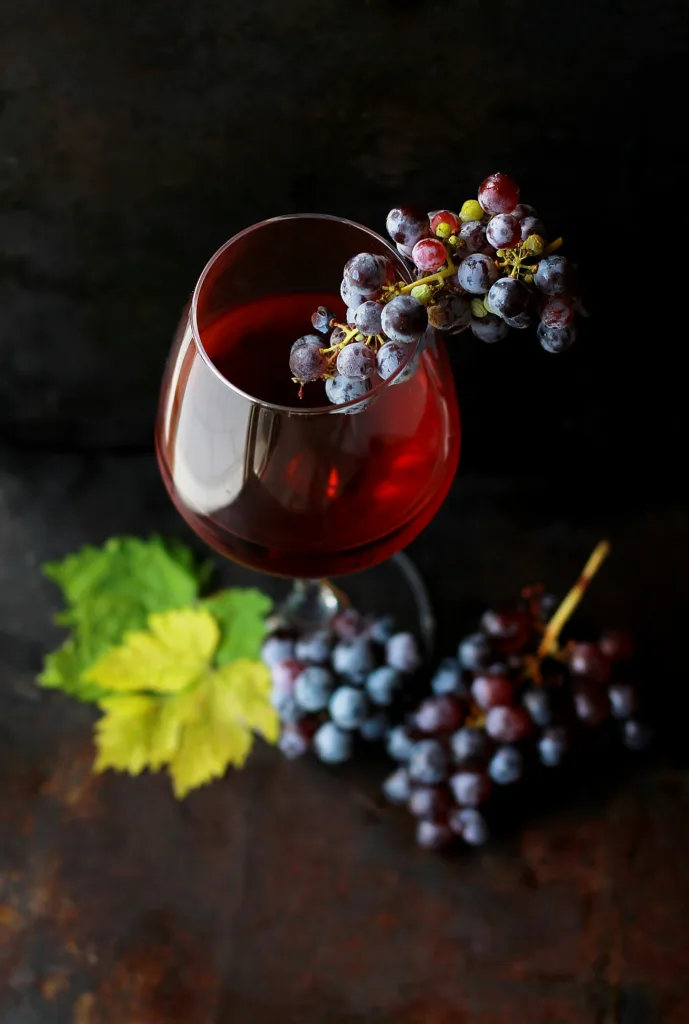
In short, it seems that elderberries aren’t going to off anyone. (And as it happens, cyanic glycosides can also be found in some other favorite fruits, including in the seeds of apples and within the pits of peaches, plums, and cherries.)
“I can say that I have eaten elderberries on many occasions, and I am fine,” Monsted confirms.
A final note to the gardeners among you. If you consult the Internet, you will be assured that deer will/won’t/might/sometimes/maybe/definitely eat your elderberry. I will attest for Team Definitely that elderberry’s supposed toxicity didn’t seem to make no nevermind to the deer that noshed on the one I planted last year. Monsted suggests, however, that young plants might be vulnerable when “the plant hasn’t had time to build up its chemical defenses.” But once your elderberries are established, “they are among the more deer-resistant plants we have.”
My friends, if I succeed in nurturing my elderberry past ragged nubs this summer, it will be a triumph worth toasting. Elderberry wine, anyone?
This article originally appeared in the June 2026 issue.