
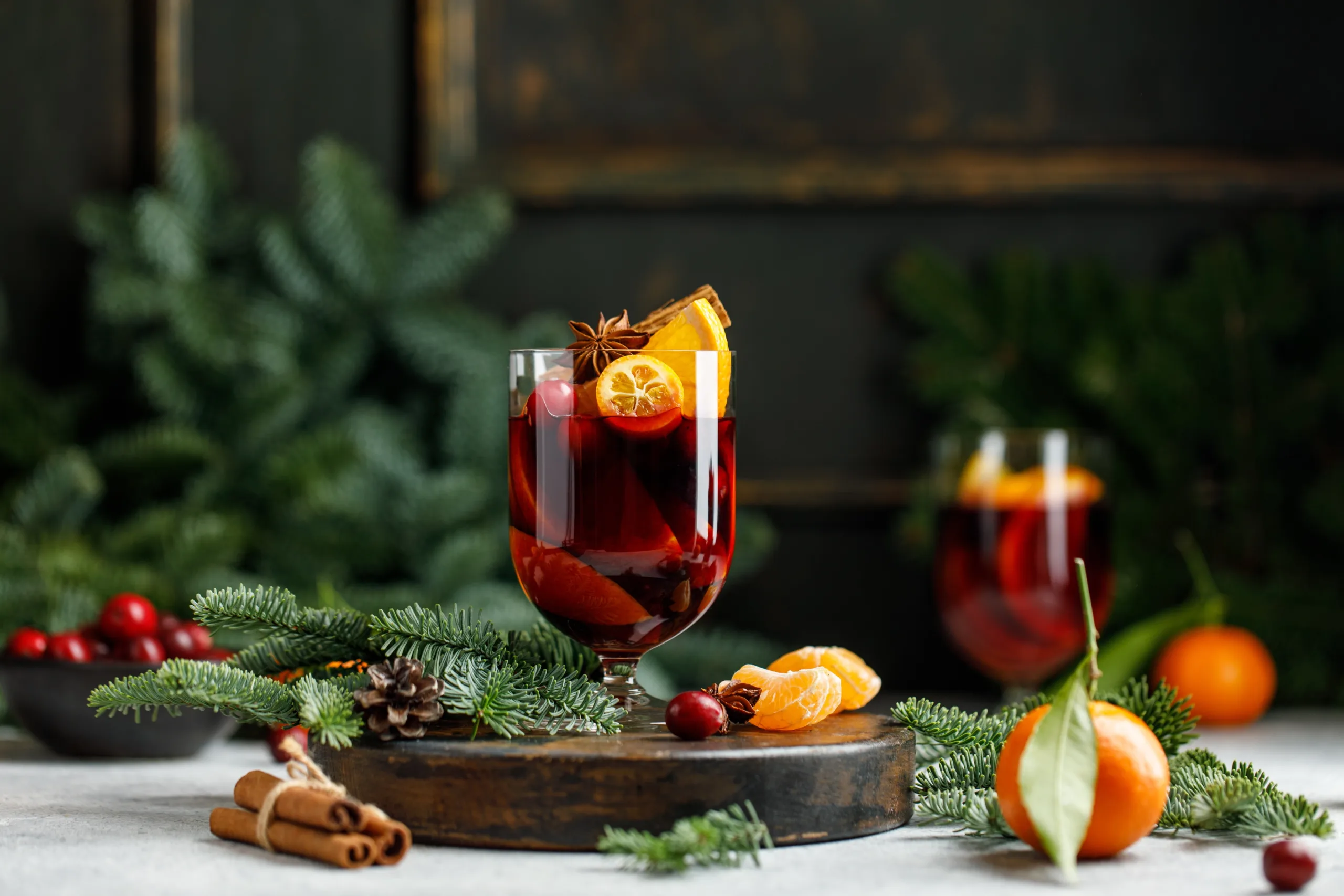
If you asked me about magical Christmases, one place comes to mind: Copenhagen, where I studied abroad. For four months, I lived like a Dane, savoring Nordic art, cuisine, and culture. Even the dark skies and bitter cold enchanted me, a native Michigander. Christmas time there meant streets strung with lights, hygge on every corner, traditional markets, paper julehjerte (Danish Christmas hearts), gently falling snow, and most importantly, steaming glühwein—hot, spiced, German-style wine served in winter—paired with æbleskiver, fluffy, round doughnuts fit for jam-dipping.
Wherever I am, I try to recreate that fairytale holiday feeling: board games by lamplight, folding julehjerte with friends, or mulling wine on the stove. Now that I live in Richmond, I’ve realized Virginians are helping me along, serving Scandinavian flavors that whisk me back to Denmark—without 14 hours of flying.
Glühwein (or its Swedish cousin, glögg) pops up at markets across the state, from Herndon’s WinterMarkt (Dec. 13) and the Williamsburg Christmas Market (weekends, Nov. 28–Dec. 21) to the German Christmas Market in Newport News (Dec. 5–6) and Bluemont Vineyard’s Christmas Market (weekends, Dec. 6–21). Wineries with seasonal menus are pouring it, too. For the full spread—æbleskiver included—I head to Stock Bistro & Bar in Richmond, a Nordic restaurant tucked inside Roanoke furniture brand Txtur’s Manchester showroom.
Manager Steve Terrill admits it felt daunting for the team to tackle Nordic food—none of them, including Stock’s founder and original chef Jeff Farmer, had Scandinavian roots. And yet, Terrill says, the results struck a chord: “When we came to Richmond, we’d get actual Swedes coming in and I thought, ‘The jig is up.’ But that wasn’t the case .… The æbleskiver and the glögg in particular—people who have traveled there or grew up there feel a connection.”
So this season, try it yourself at a kitchen or Christmas market near you—or bring the flavors home, and toast “God jul!” Virginia-style.
Glühwein Recipe
From the kitchen of Hope Cartwright
Serves 6
2 cups water
3–4 tablespoons sugar (to taste)
3–4 thin strips lemon peel
Peel + juice of 1 orange
1 cinnamon stick
6 cloves
4 allspice berries
3 whole star anise
1 teaspoon cardamom pods (lightly crushed)
¼ teaspoon nutmeg
1 bottle Raven Rocks Red from Twin Oaks Tavern Winery (or another bold Virginia red)
In a large saucepan, combine water, sugar, citrus peel and juice, and all spices. Bring to a boil, then reduce heat and simmer gently for 20 minutes. Strain out the peels and spices. Add the wine and warm over low heat until steaming, but do not boil. Taste and adjust sweetness if needed. Serve hot in mugs, garnished with orange slices, cinnamon sticks, or a star anise pod.
Note: For a non-alcoholic version, swap the wine for apple cider. Prefer to skip measuring out spices? Try a pre-mixed mulling spice blend, like those from Virginia’s own Shenandoah Spice Company.
Æbleskiver
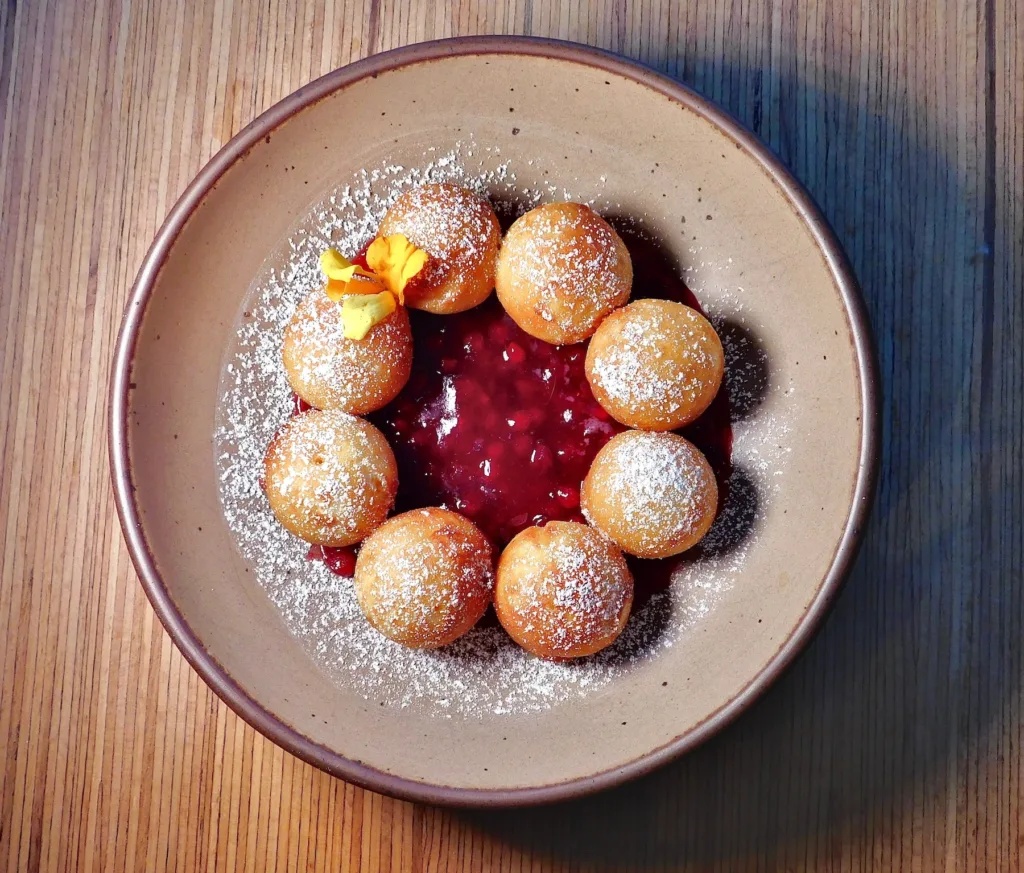
Danish in origin, æbleskiver are spherical pancake balls, almost like a cross between fried dough and Yorkshire pudding. This recipe is courtesy of Stock Bistro & Bar in Richmond.
Yields 20–30 æbleskiver, depending on pan size
Special equipment: Æbleskiver pan, squeeze bottle (optional), toothpick or short bamboo skewer
2 cups (240 g) all-purpose flour
2 tablespoons granulated sugar
½ teaspoon kosher salt
1 teaspoon baking powder
1 cup milk or buttermilk
3 large eggs
1 tablespoon melted butter
Clarified butter, for cooking
In a large bowl, whisk together the flour, sugar, salt, and baking powder. Add milk, eggs, and melted butter, whisking until smooth. Preheat the æbleskiver pan over medium to medium-high heat. For easy filling, transfer the batter to a squeeze bottle if available. Brush or spoon clarified butter into each chamber, filling about halfway. Add batter until nearly full. As the batter sets, continue turning until the batter forms a golden-brown sphere. Transfer cooked æbleskiver to a plate. Dust with powdered sugar and serve warm with jam (Swedish lingonberry preferred, but raspberry or strawberry works, too).
Note: This variation isn’t apple-filled like the traditional Danish treat, but it’s just as delicious. Home cooks are encouraged to experiment with their own apple filling—
especially using Virginia apples. Yum!
This article originally appeared in the December 2025 issue.