
Staunton’s Frontier Culture Museum is hosting its fourth annual Fiber Festival this Saturday, April 4, with a full day of activities to help you and your family weave your own connections to the past while exploring the historical traditions of fiber arts.
The Fiber Festival began when the Frontier Culture Museum recognized the medium’s rising popularity in the area. As a way to connect the public to the past, the museum has incorporated heritage-breed livestock and traditional agricultural practices into its various living history programs.
“The mission of the Fiber Festival is to increase the public’s awareness of historically significant natural fibers and the ways in which they were utilized by people in the past,” says Mary Kate Claytor, the museum’s associate director of interpretation and livestock coordinator. “The goal is to create opportunities for the public to discover connections between the past and the present and understand how textile production and fiber arts continue to evolve over time.”
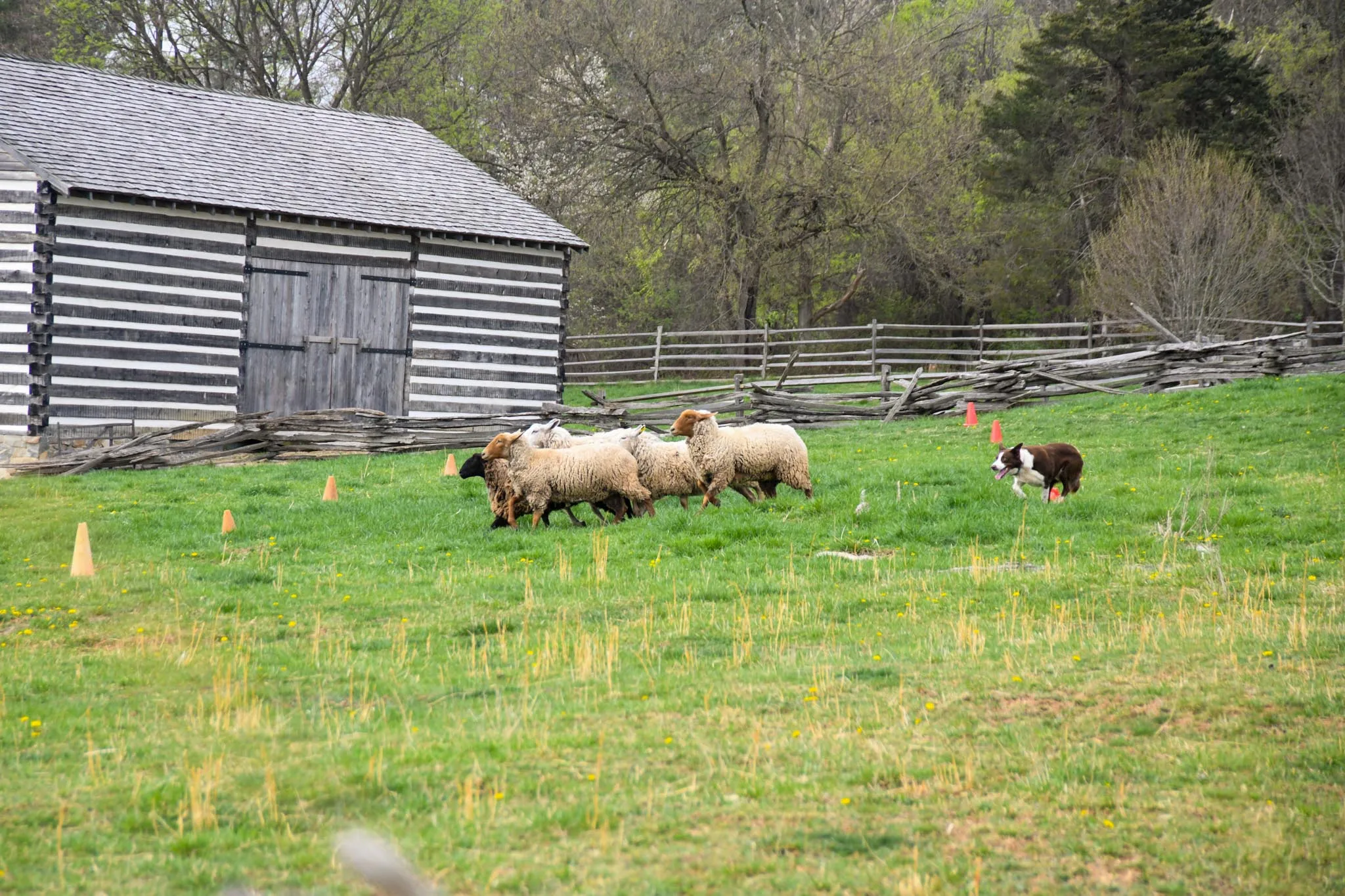
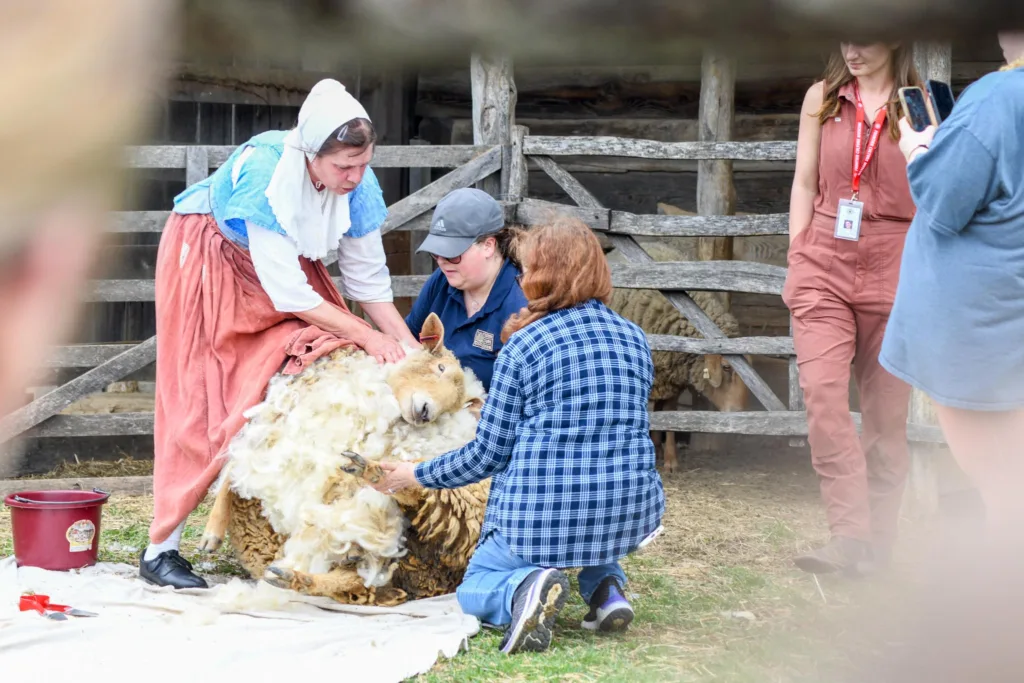
Every spring, interpretive staff hand-shear the museum’s sheep and then process the wool using historical methods. The Fiber Festival also allows community members to experience history hands-on, with activities such as learning to use a cardboard loom, creating their own crafts from natural fibers, and watching how colonists herded and sheared sheep in the early 1800s.
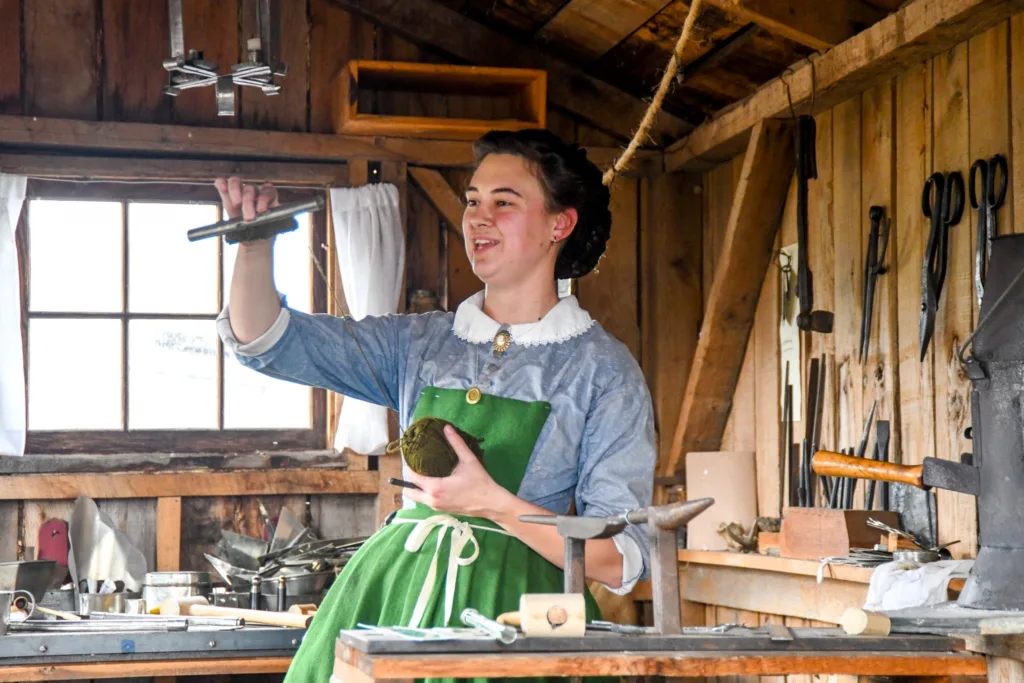
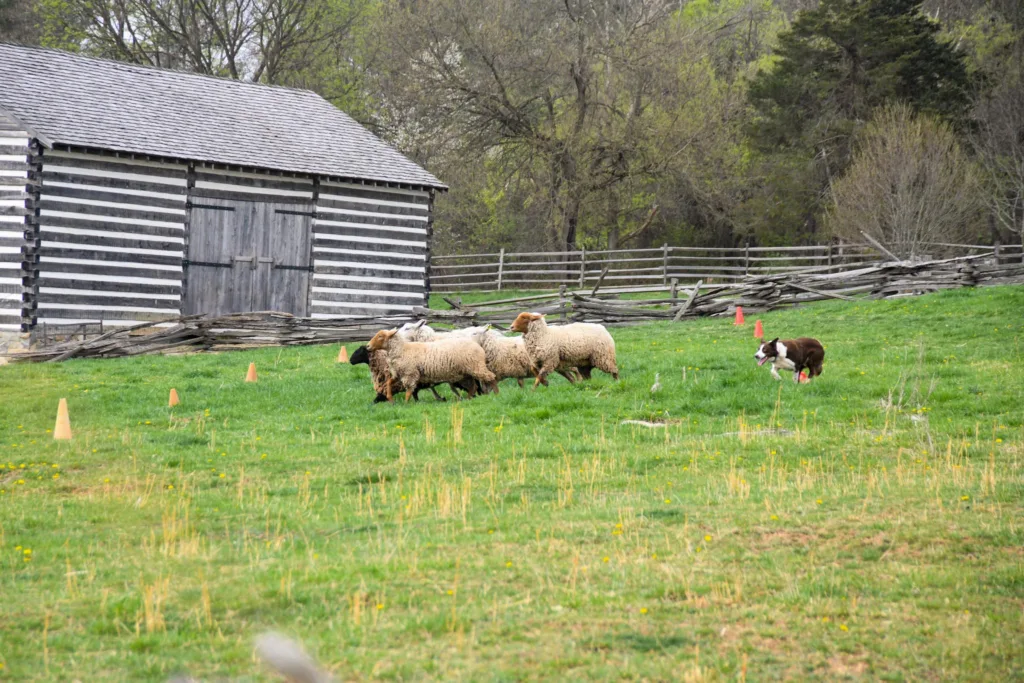
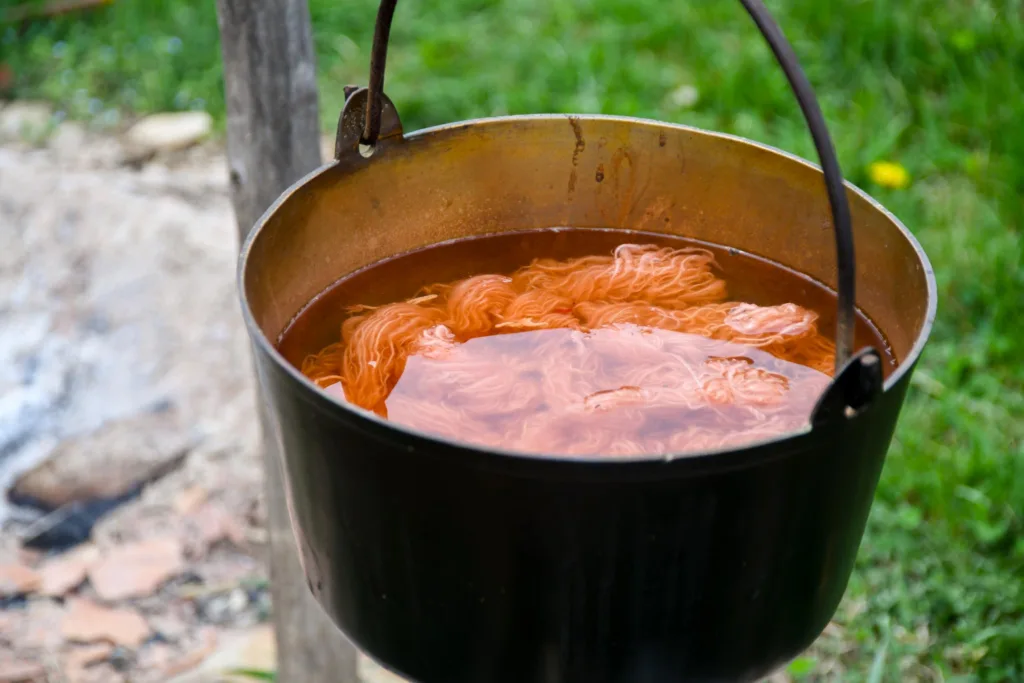
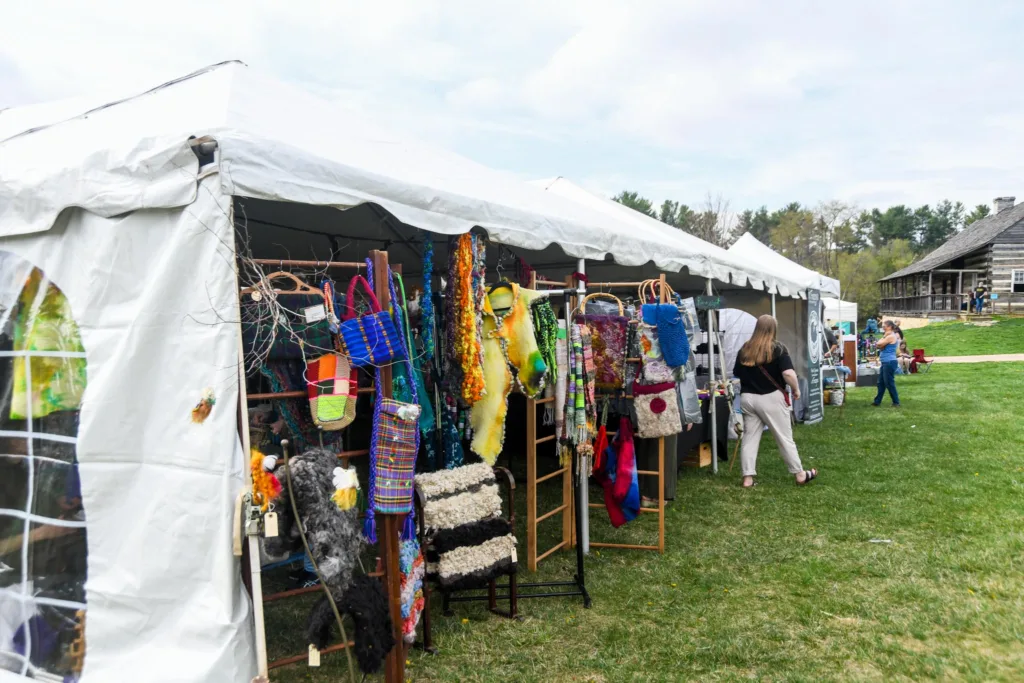
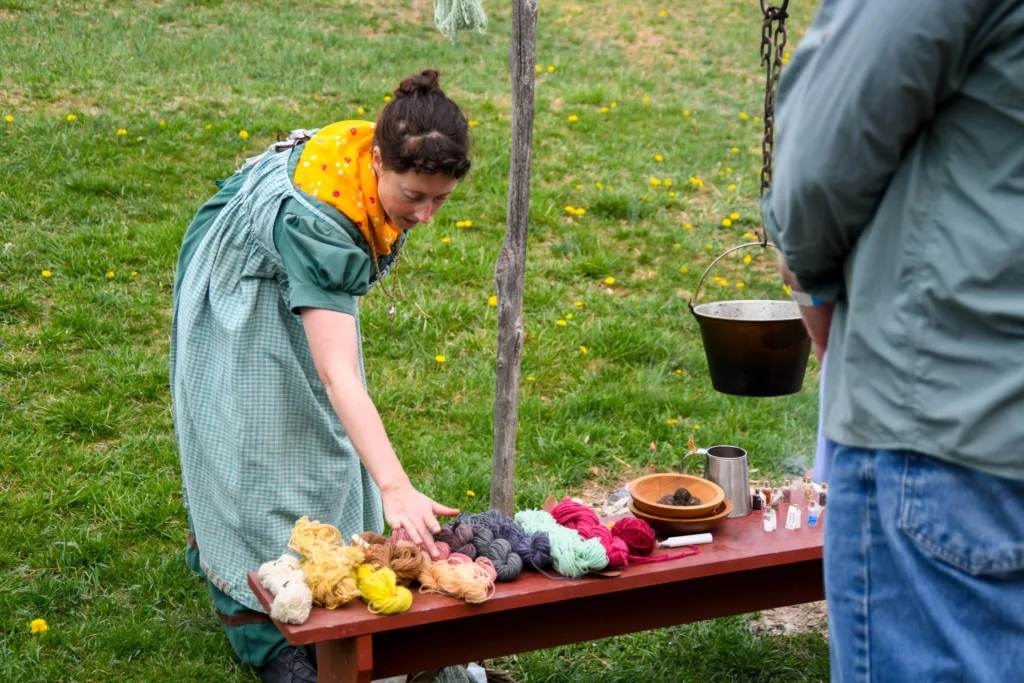
“The festival is important because it helps connect the public with the past in a way that’s very tangible,” Claytor says. “Visitors also have the opportunity to purchase more contemporary yarns, fibers, and other items from vendors, and then can engage with living history interpreters using the same types of materials from a historical perspective, and the public is able to make those comparisons between the past and the present in real time.”
With VA250 events occurring statewide throughout the year, the Fiber Festival offers families a chance to engage with post-Colonial-era history as Colonists began to settle and shape the United States into a nation.
“In the context of the 250th, the Valley of Virginia was an incredibly important region for the production of some of these raw materials that would later become rope, uniforms, or tents,” Paige Hildebrand, the museum’s director of events, says. “So many items that we use every day—from clothing to rope—were once made using completely natural fibers. By highlighting the uses of natural fibers in the past, we can better understand the history and significance of these items in the present.”
The Frontier Culture Museum seeks to keep public interest and awareness in history alive, and, Claytor says, “More than anything else, we hope visitors attending the event have fun, learn something new, and leave with curiosity and the desire to try a new skill.”For more information and a detailed schedule of events, visit the website for more details. FrontierMuseum.org
This article is a Virginia Living digital exclusive.