
So, you want to start a country? You’ve got some money, some guys, you even have a very fine press release telling the world you’re going to do this thing. It all sounds good on paper. Just one little question: Now what?
This may be the central theme underlying all American politics: How do you transform this dream into a reality? It’s one thing, after all, to nail a peach basket to a tall pole, but quite another to invent basketball. The idea of putting words into action is just about as novel as the nation itself. That question devils Americans on countless levels, from politicians to planners, entrepreneurs to educators—cool idea, we love it, but how do we do this?
The answers hover around the grounds and buildings of Montpelier, the Orange County home of James and Dolly Madison. The fourth president was not only fond of detailing his estate, but also the Constitution and the Bill of Rights, the two flexible documents that outlined how this uncommon passion for self-governance would hold itself together over the ensuing decades and, if possible, survive the tumultuous alterations to the dream itself that lay ahead. Although the distinctions between chaos and organization remain vital in the course of failed and successful states, for students who do not have classes in history or civics, a Montpelier visit can impart just how this American genius for organization comes into play with every generation.
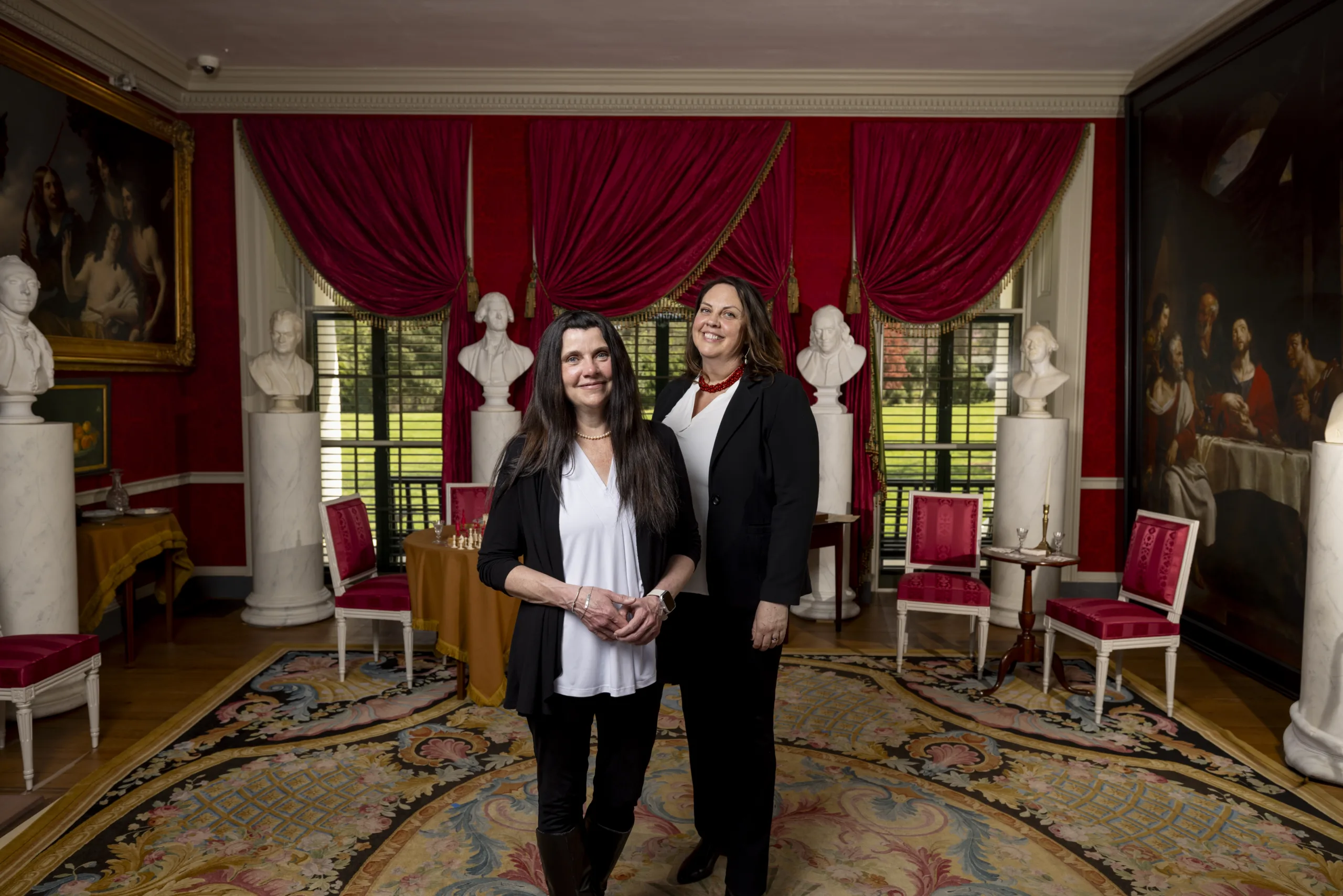
“We treat civics as something students do, not just something they hear about,” they say. “They” are Montpelier’s chief advancement officer, Dr. Kelly Fanto Deetz, and the acting president and CEO of The Montpelier Foundation, and Krista Costello, who together spoke about their plans to inspire visitors during the 250th Celebration. “The fastest way to engage students is to connect constitutional questions to their lived experience such as speech, privacy, and fairness, and then give them a chance to deliberate using primary sources,” says Costello.
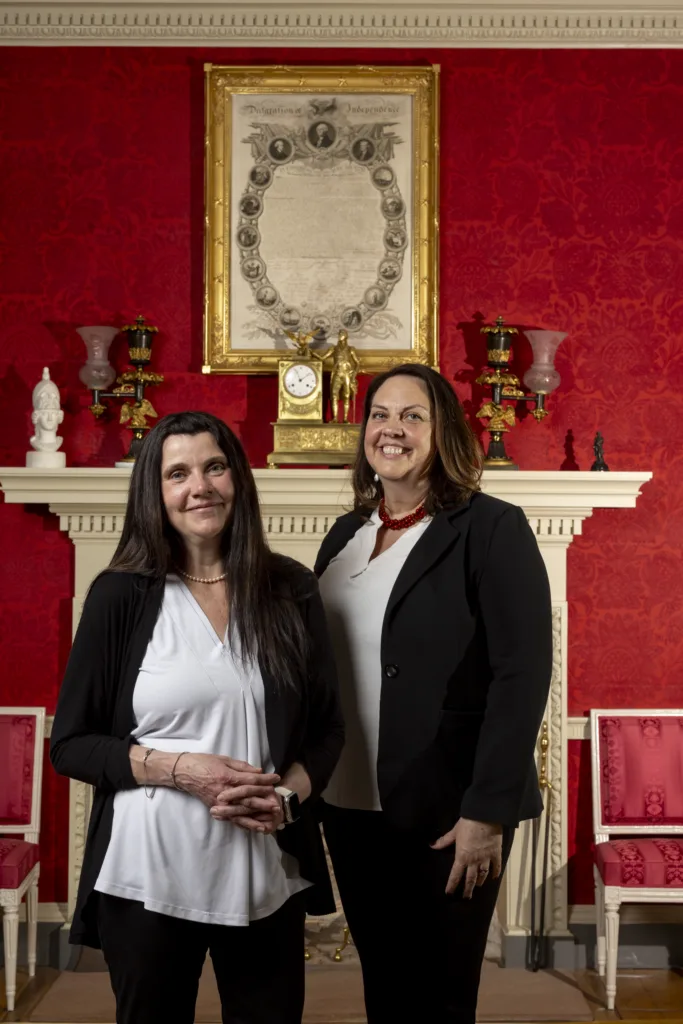
“Montpelier offers the ability to linger at one of the most important sites in American history,” adds Deetz. “Our tours are not rushed, and we allow for the conversations to happen between our guides and the public. The combination of place, ideas, and honest complexity is hard to replicate anywhere else.”
Historic houses offer embodied history: where the past is not abstract, but physical, emotional, and complicated. At Montpelier, visitors are drawn to Madison’s ideas about self-government, and others come seeking inspiration and reflection.
“The landscape is a primary source. Preservation helps visitors grasp scale, movement, power, labor, and daily life in a way books can’t,” says Costello. “Seeing distances, boundaries, workspaces, and domestic spaces makes the social order of the time legible, and it allows visitors to understand both the aspirations of the founding era and the systems of coercion that sustained it. Place teaches with a kind of quiet force: It turns ‘history’ into ‘this happened here.’”
Whether you and yours are looking for conversations about the Constitution or histories of the enslaved people, and everything in between, a visit to Montpelier can enlighten and inform your life going forward.
This article originally appeared in the June 2026 issue.