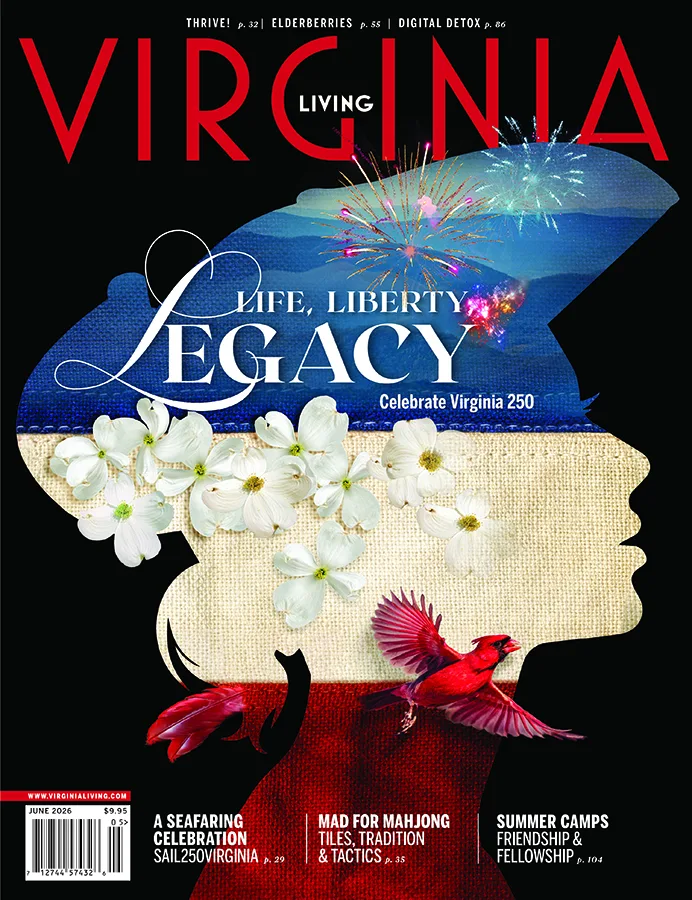


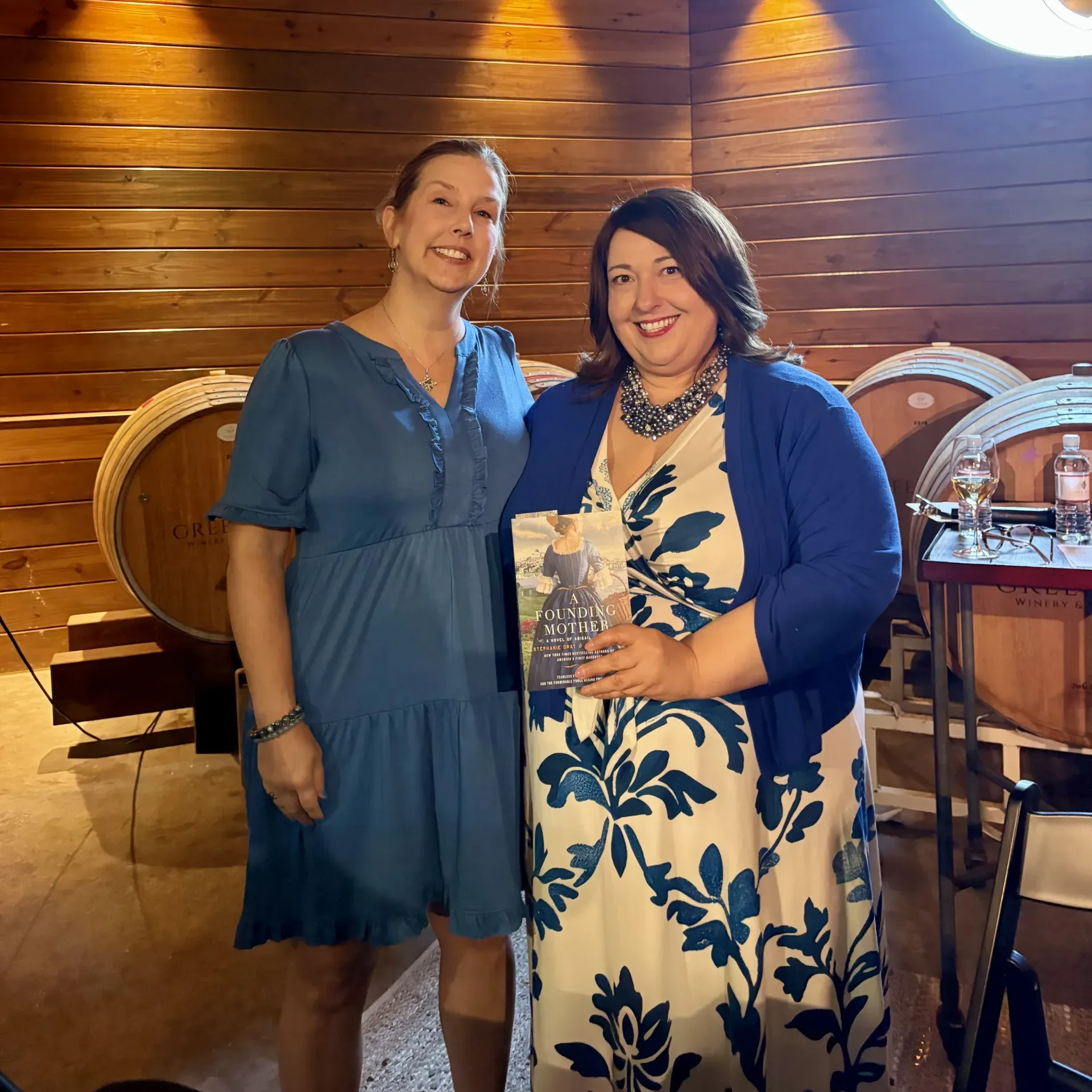
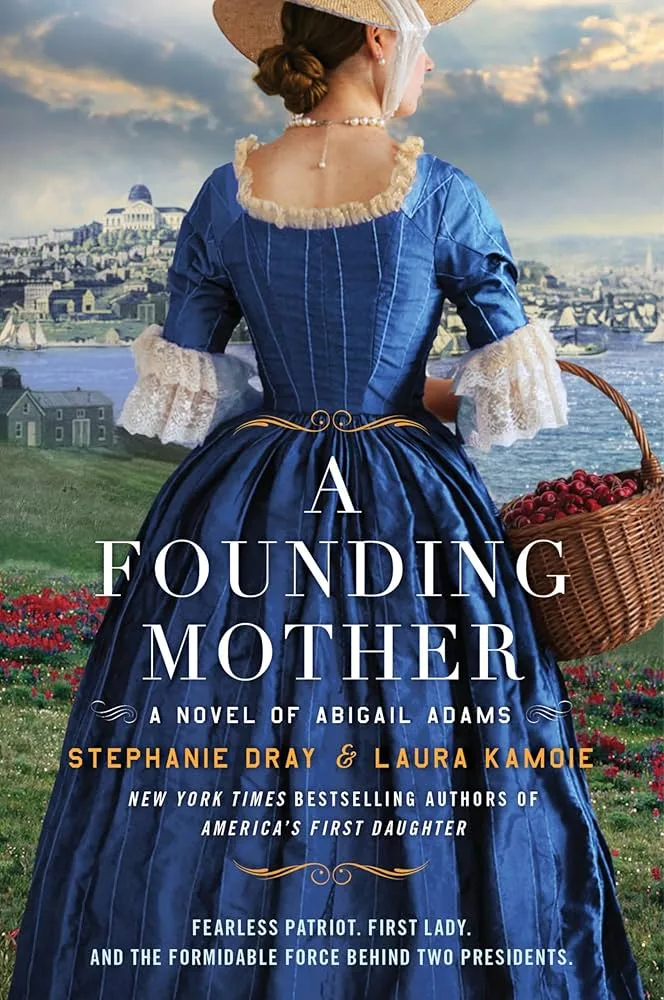
Abigail Adams never got the credit she deserved in her own lifetime. Now, two of historical fiction’s most celebrated voices are making sure she gets her spotlight. On May 5, New York Times, Wall Street Journal, and USA Today bestselling authors Stephanie Dray and Laura Kamoie released A Founding Mother: A Novel of Abigail Adams (William Morrow)—the latest collaboration from the duo behind America’s First Daughter and My Dear Hamilton.
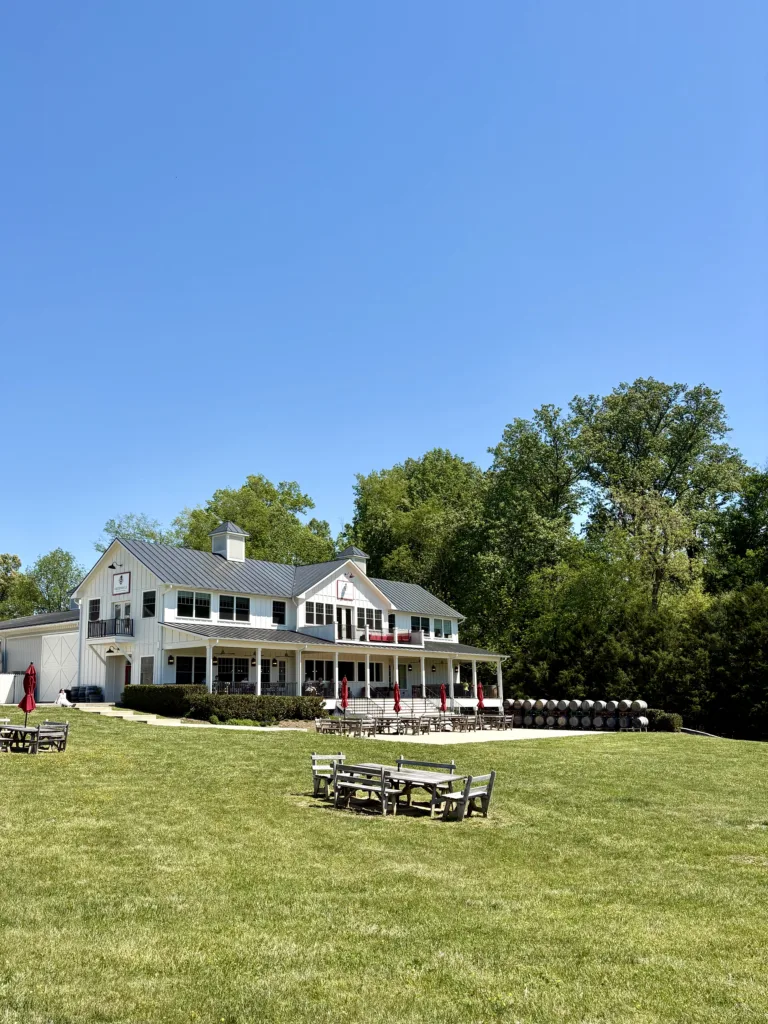
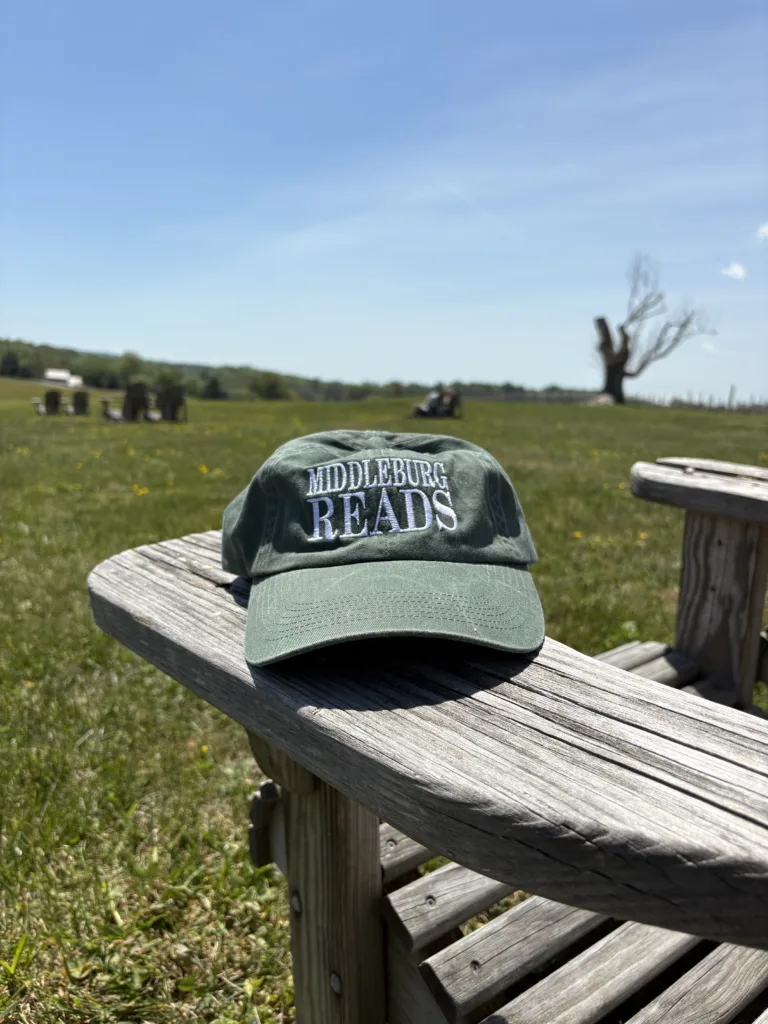
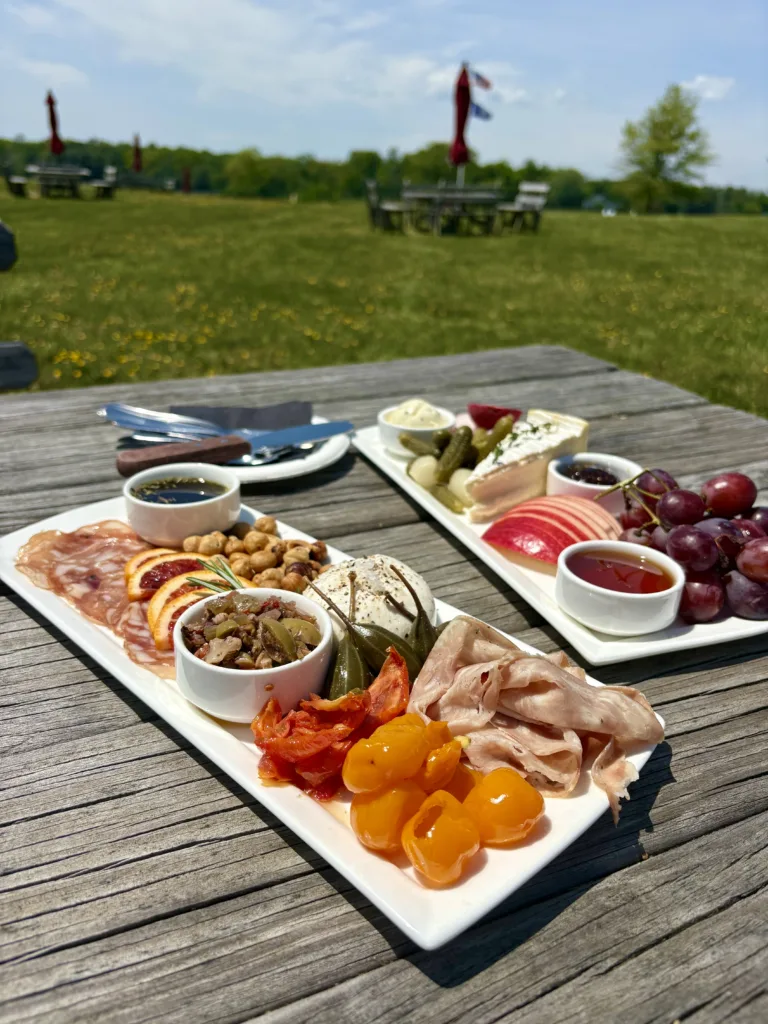
The book traces Adams from her early years as a young mother through her remarkable rise as a political confidante to the men who shaped a nation. Virginia Living‘s Editorial Assistant Cabell Crowder caught up with the authors at Greenhill Vineyards following their Middleburg Books launch event—with charcuterie in hand and rolling hills in view—for a conversation that ranged from revolutionary women to lesser-known Virginian historical figures to why understanding American history has never felt more important.
Cabell Crowder: Thank you all for meeting with me today. To celebrate America’s 250th anniversary, Virginia Living is highlighting “Virginia 250,” and we were thrilled to hear about the launch of A Founding Mother, your new novel that celebrates the life and legacy of Abigail Adams. And I just want to say, the tremendous research you all put into this book is fantastic, and the way you two give a personal voice to Abigail is truly remarkable. In the beginning pages of A Founding Mother, you write that as a young girl, Abigail was nicknamed Diana, the Roman goddess of the hunt. I was hoping you all could speak more to this nickname.
Stephanie Dray: So, Abigail had a couple of nicknames. She went by Portia for part of the war,that was her code name. When she was young, it was Diana, which tells you what her friends must have thought about her … She was very independent, and some relatives said that Abigail was in danger of becoming a “very bad woman.”
Laura Kamoie: Which we love!
S.D.: So I think that tells you how fierce Abigail must have been as a young woman—that her family was concerned—and how delightful it is that Abigail grew up to be a woman who gave voice to the whole Revolutionary era.
C.C.: In your author’s note, you all describe Abigail as the most influential of the founding mothers. A true champion of women, Abigail’s “Remember the Ladies” letter to John Adams was a document ahead of its time. How radical were Abigail’s ideas in the context of the revolutionary era throughout the colonies?
L.K.: Well, Abigail was certainly more radical than her husband, John! She grew up in a house filled with books and, from a young age, was used to engaging with big ideas. Abigail also grew up in the Massachusetts Bay Colony, which, as a culture, tended to be more progressive, so that certainly influenced her as well.
S.D.: And I think too that people tend to think that ideas of women’s rights are so modern. And they’re really not. Abigail certainly was radical for her social circle, but when she went to France, the women there were deeply involved in politics. Laura and I actually co-wrote another novel, Ribbons of Scarlet, about the women of the French Revolution who were at the forefront of trying to secure women’s rights. So the ideas were in the air, and although the Founding Fathers probably thought Abigail was quite radical, I wonder how radical the other women really thought she was.
C.C.: Much of the book covers the marriage of John and Abigail Adams. Their relationship withstands some troublesome children, office dynamics, and literal wars—quite the testament to their love and affection for one another. What do you think made the Adams marriage so resilient, and why does it still resonate today?
L.K.: I think it resonates today because it was a relationship born of enough affection and respect and tolerance for differing opinions and debating opinions that I think a lot of people will see it as being very familiar. I think a lot of people today have, as a goal, a similar kind of mutual respect and admiration in their marital relationships.
S.D.: And it’s a great American love story. The Adams shared values and were trying to improve the world together, raise a family together, enjoy each other’s company, and saw each other as partners. What’s more American than that?
C.C.: Throughout the novel, I enjoyed reading about the unsung heroes of the American Revolution. Could you point our readers to more interesting historical figures that are worth a deep dive?
L.K.: James Armistead Lafayette, an enslaved Virginian, was a spy during the Revolution. James performed an incredible service on behalf of the Continental Army, particularly leading up to and at the Battle of Yorktown. At the end of the war, the Virginia government offered freedom to enslaved people who had fought for the Continental Army as soldiers, but not as spies. When Marquis de Lafayette learned that James hadn’t received that same treatment, he personally fought for him with the government and secured his freedom.
S.D.: Are you going to mention our favorite forgotten Founding Father, who is also a Virginian?
L.K.: Go ahead!
S.D.: All right … William Short, Thomas Jefferson’s secretary from the Charlottesville area. William traveled to France with Jefferson when he became the Minister of France. But the one thing that the two men least have in common is that William Short was very anti-slavery. They regularly had debates about the institution of slavery, so much so that they made a bet wherein Short tried to implement a successful farm in Virginia that did not use enslaved labor.
C.C.: So, Stephanie, your books have ranged from historic women on the banks of the Nile River in ancient Egypt to FDR’s White House. What drew you to covering revolutionary America?
S.D.: I started out writing about the sort of fall of the Roman Republic, and the next time you get a profound republic is the American Republic. So for me, it was a natural jump to go from ancient Egypt to the American Revolution. All of my books are about the ways in which people decide to govern themselves and what it means to live in a democratic republic, particularly this one, and what our national mission is. And so even though I skip around from time period to time period, those threads are in all of my work.
C.C.: And Laura, tell me more about your teaching experience at the Naval Academy. Which courses did you teach?
L.K.: I taught at the Naval Academy for eight years in the Department of History. My expertise was in early American and Revolutionary America, but I also taught specialized classes like Native American and African American history, and a senior seminar on Thomas Jefferson. I had always been interested in the earlier parts of American history, but when I was accepted into graduate school at William & Mary, I received an apprenticeship in Colonial Williamsburg’s archaeology program. I did archaeology at lots of different sites around Williamsburg and Jamestown. And getting to explore that material culture side of history is what really cemented my love for the earlier period.
C.C.: That’s wonderful. Is there a target or was there a target audience that you’re hoping to reach with this novel?
L.K.: So historical fiction tends to be popular, most popular with those who are a little older. But I think one of the things that happened with the Hamilton musical is that it drew a lot of younger people into being interested in history. And so we’ve had more and more young people coming out to our events since then, which is cool.
S.D.: Everyone in this country should be invested in its future. And to be invested in its future means you have to understand its past.
C.C.: Thank you, and yes, it’s extremely important. Thank you for sharing that as well. Is there anything else you’d like our Virginia Living readers to know?
L.K.: One thing that might be fun for your readers is to know that visiting historical sites plays a really important part of our process, that we garnered a lot of insight about people’s places by visiting them. And for the Jefferson book, we did quite a bit of traveling. We not only went to Monticello, we went to Tuckahoe near Richmond, the University of Virginia, and Michie Tavern.
S.D.: Virginia has been great to us. When we wrote the Jefferson book, we didn’t get a lot of offers for it, but we had a lot of confidence in it. And, when we took the book here to Virginia, to the Virginia Festival of the Book, we were selling it out of our car. But the outpour of Virginian support for America’s First Daughter convinced us that Americans really do want to read about American history. And so it was Virginia that made that book and made our careers.
This article is a Virginia Living digital exclusive.