

If you want to slip into Winchester, don’t take the interstate. Route 11—Pleasant Valley Road—runs a little slower, but it sets the stage. On a late-fall drive, I passed billboards still celebrating apples, the fruit that built fortunes here. Before I even reached town, I found myself tempted by the kind of stop you won’t see off I-81: Blue Plate Books, advertising more than 75,000 books within 5,000 square feet.
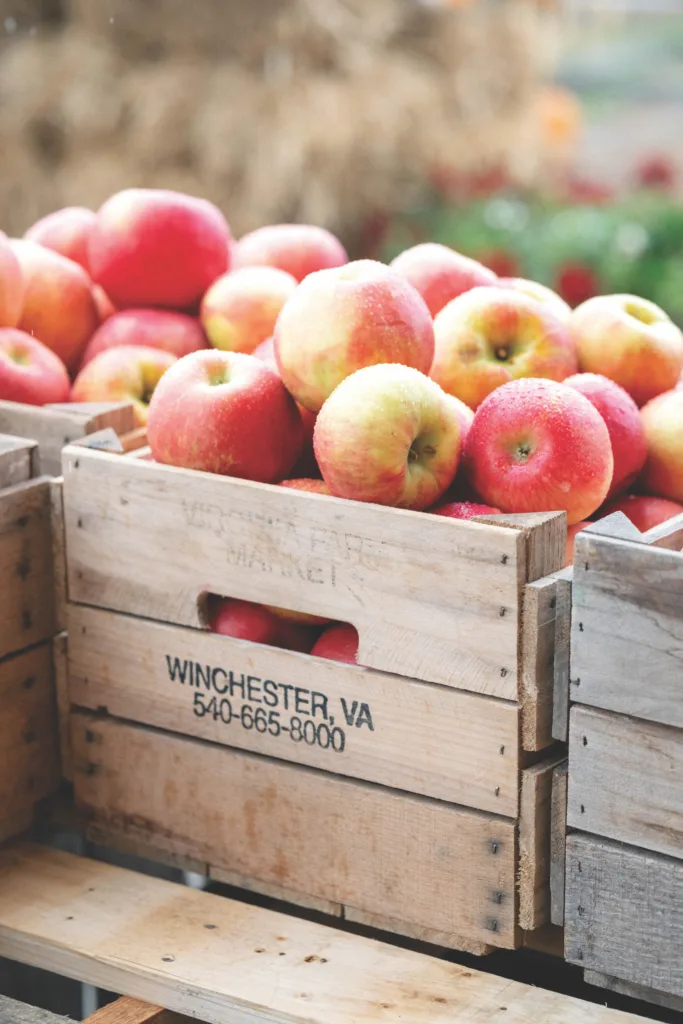
Apples define much of Winchester’s history.
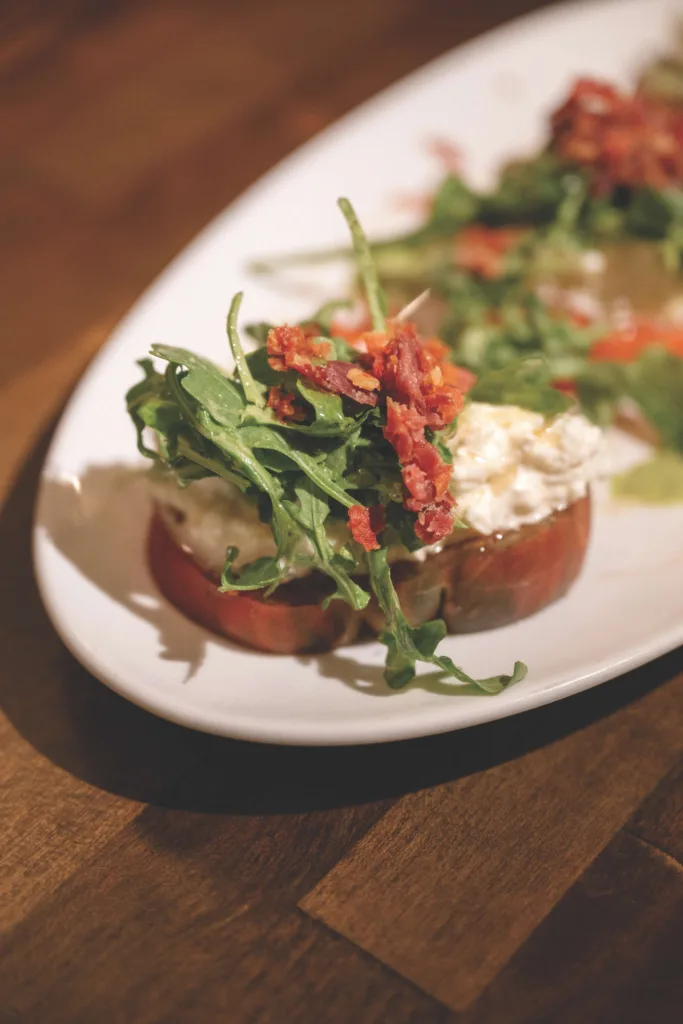
A tomato caprese appetizer at the Village Square Restaurant. Photography by Sera Petras
Breakfast in a Gas Station (Sort Of)
Breakfast, however, won out. I pulled into Bonnie Blue Southern Market & Bakery, a restored Esso station that manages to feel both nostalgic and fresh. Their Pullman-style bread shows up all day—thick-sliced as French toast in the morning, stacked with sandwiches at lunch, or served beside entrées. The Carolina-style barbecue smoked on-site has a loyal following, so of course I ordered it to accompany my breakfast. Oversized cookies beckoned from the counter, and I promised myself I’d return for a Pullman loaf to enjoy at home.
Over fresh orange juice, I considered the names this city conjures: George Washington, who spent his formative years here and began his career as a land surveyor; and the Byrds, Harry Sr. and Jr., whose wealth from apples and newspapers fueled their long hold on Virginia politics. Winchester has always produced outsized figures.
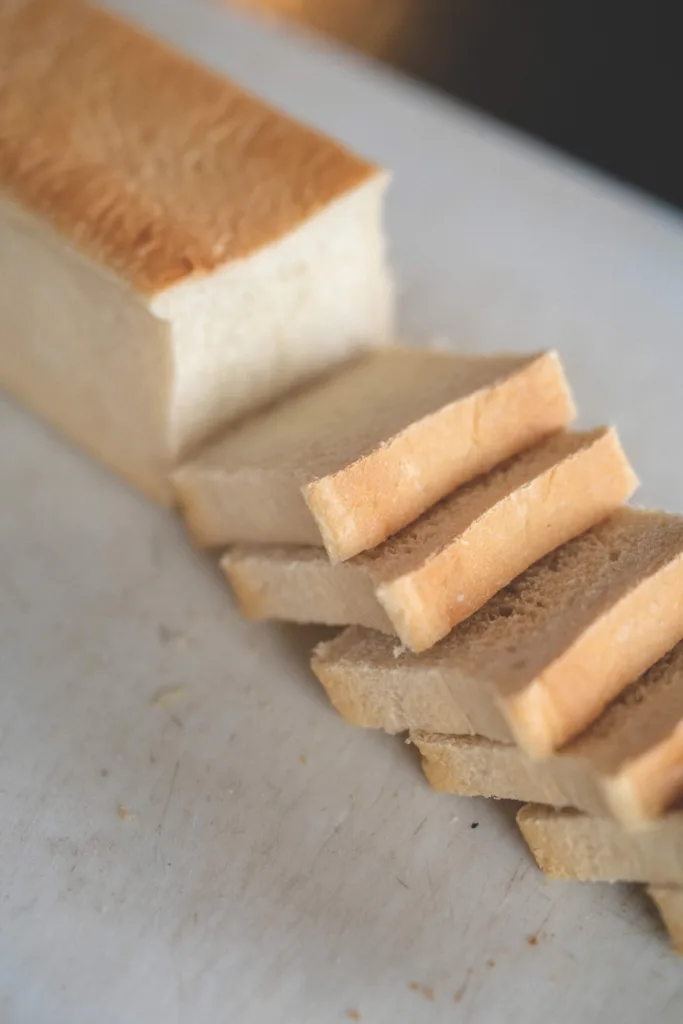
Homemade Pullman-style loaves are sliced into bread perfection at Bonnie Blue.
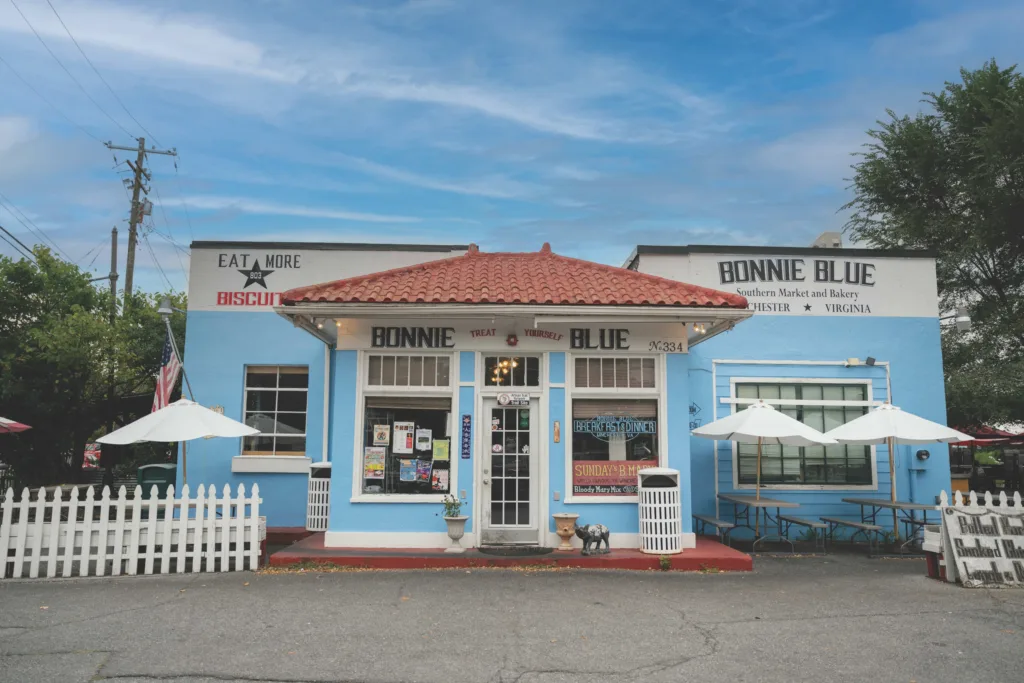
Bonnie Blue, in a former Esso gas station, is one of Winchester’s most popular restaurants.
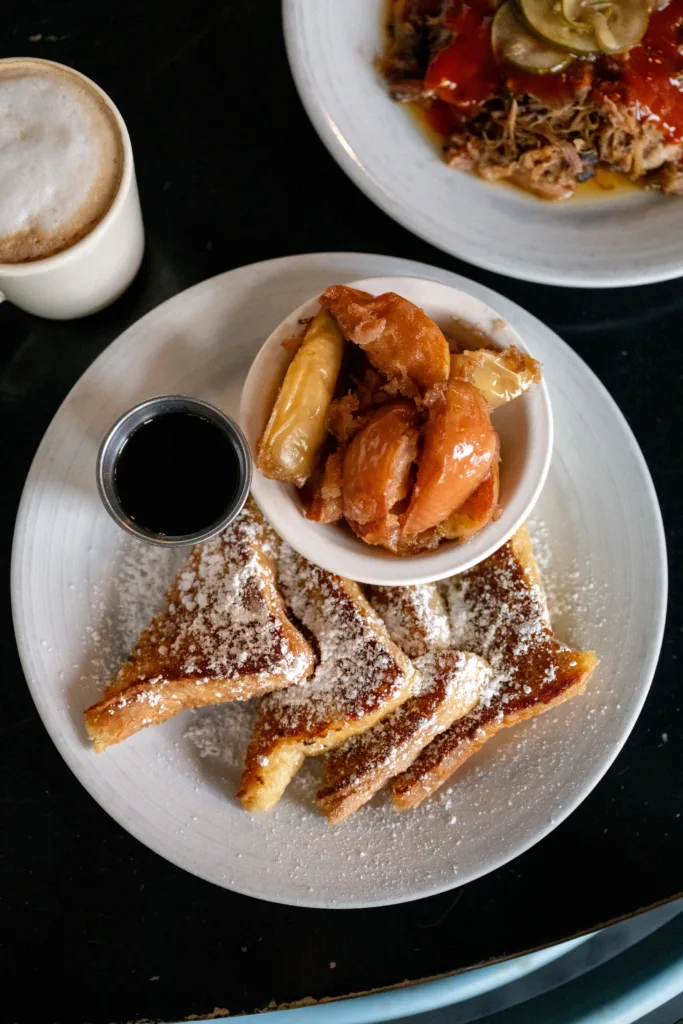
French toast made from Bonnie Blue’s homemade bread
Sleeping in Style
That night, I traded rustic charm for polished history at The George Washington Hotel that’s conveniently located downtown. Built in 1922, the hotel has hosted countless guest celebrities like Al Capone, Marilyn Monroe, and John F. Kennedy. My junior suite offered a gas fireplace, rainfall shower, and whirlpool tub—luxuries I enjoyed after walking the compact streets of a city founded in 1744 as Frederick Town. Park once, and the whole place is at your feet.
For a less traditional stay, Winchester offers vintage character in spades—like the renovated 1920s Sunoco station turned Airbnb. Frosted glass bay doors nod to its past life, while a hot tub, EV charging station, and full kitchen ensure modern comfort.
About Those Apples
Winchester has more than earned its title “The Apple Capital.” While the annual Shenandoah Apple Blossom Festival draws spring crowds, apples define the city year-round. Marker-Miller Orchards Farm Market sells multiple baked goods, including delicious apple cider donuts, and welcomes pick-your-own visits from late summer through the fall. At The Homestead Farm at Fruit Hill Orchard and the Virginia Farm Market, apple dumplings and pies round out the bounty, and the encyclopedic staff can talk you through every flavor profile, color, and texture. You’ll leave with more apple knowledge and history than you ever imagined.
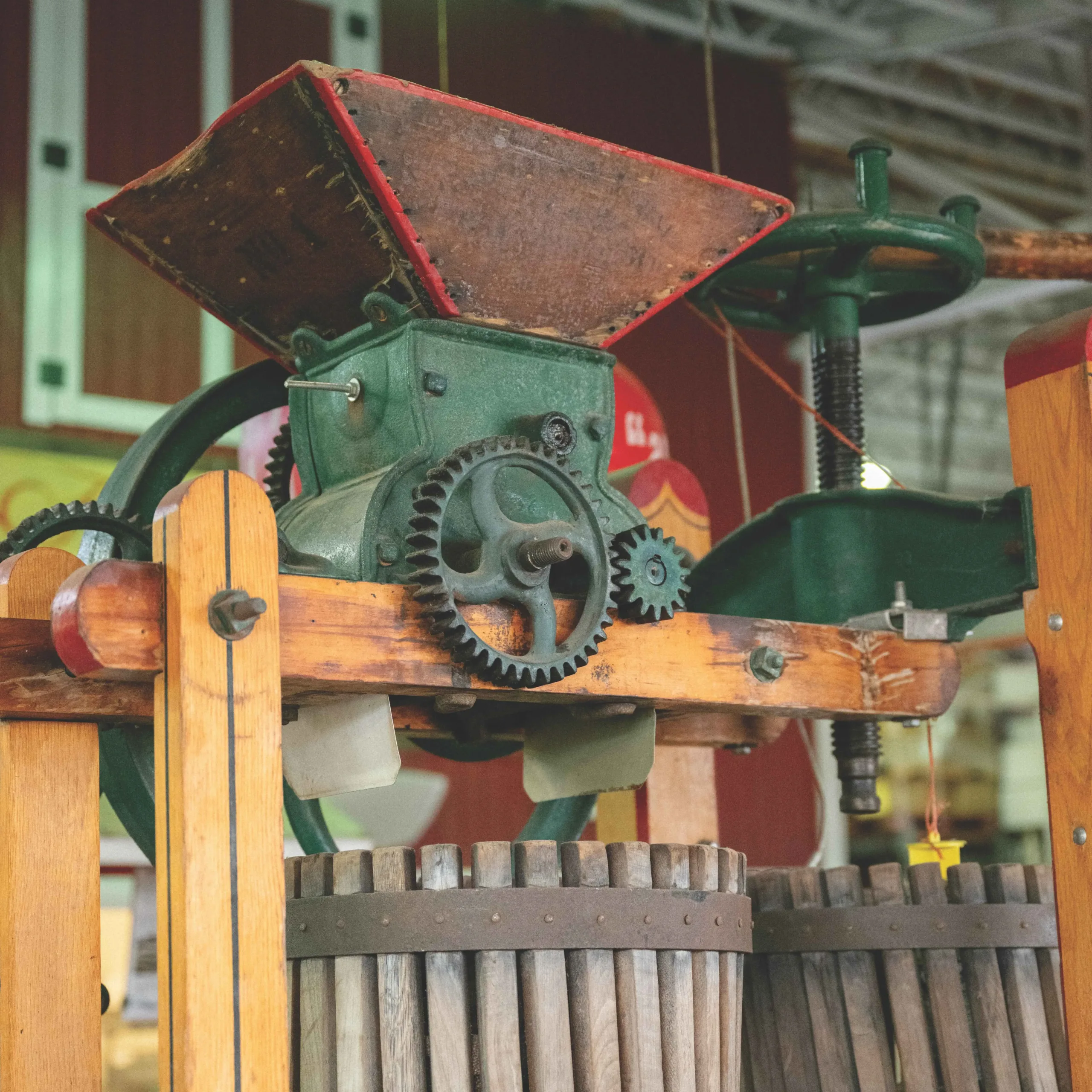
The fruit also fills glasses at Winchester Ciderworks, where hard cider flows in a welcoming tasting room. The iconic cidery pours history as well as libations with its specialty release, Stand Be Cider, which earned its name in a statewide vote and now serves as the official beverage of VA250. With 10 percent of proceeds supporting the educational commission, it’s a fitting toast to Virginia’s centuries of heritage—be it in apples or revolutionary grit.
Apples pop up in unexpected places, too—overflowing baskets outside storefronts, silver charms in jewelry shops, and even in the “George Washington Burger” at the lively 50/50 Taproom. Across the street, history comes full circle at the George Washington Office Museum, where General George used the small log building as his military headquarters from 1755–1756.
Museums, Music, and Gardens
The next day, I headed to the Museum of the Shenandoah Valley (MSV), anchored by the 1790s Glen Burnie House. The estate is best remembered for Julian Wood Glass and his partner, R. Lee Taylor, who in the mid-20th century turned it into a glittering retreat with 7 acres of formal gardens. Parties were the forté of these legendary entertainers, which were a bit controversial in a town not quite ready to embrace their freewheeling style. Today, the museum blends Civil War artifacts with whimsy: a miniature house so precise it includes a basket of apples on a dollhouse table.
“The Shenandoah Valley is one of the most historically, artistically, and environmentally diverse places in Virginia,” says MSV Executive Director Scott Stroh. “Its stories—from immigration and settlement to local artisans and the region’s agricultural heritage—are fascinating and relevant. At the MSV, we bring these stories to life through exhibitions, programs, garden tours, and The Trails at the MSV—a free outdoor art experience.”
And those gardens are worth lingering in: knot beds, vegetable plots, flower borders, and a Japanese garden with rippling water. Plus, dramatic art installations appear in the landscape throughout the year and have included Sean Kenney’s Nature Connects made with LEGO bricks and Gardens of Glass by kiln-glass artist Craig Mitchell Smith. Beyond the Glen Burnie Gardens, the MSV sprawls across 214 acres. Throughout the 3-mile art park, I passed joggers, walkers, and families biking, making it a community hub.
No less vibrant is the Patsy Cline Historic House, home to Winchester’s most famous daughter. Long before her untimely death in 1963, this country music icon and pioneer of the Nashville sound scandalized neighbors by wearing slacks and smoking on her porch. Her voice, however, carried her far beyond Winchester with hits like “I Fall to Pieces,” “Crazy,” and “Walkin’ After Midnight.” Today, stars from Willie Nelson to Linda Ronstadt and k.d. lang keep her memory alive.
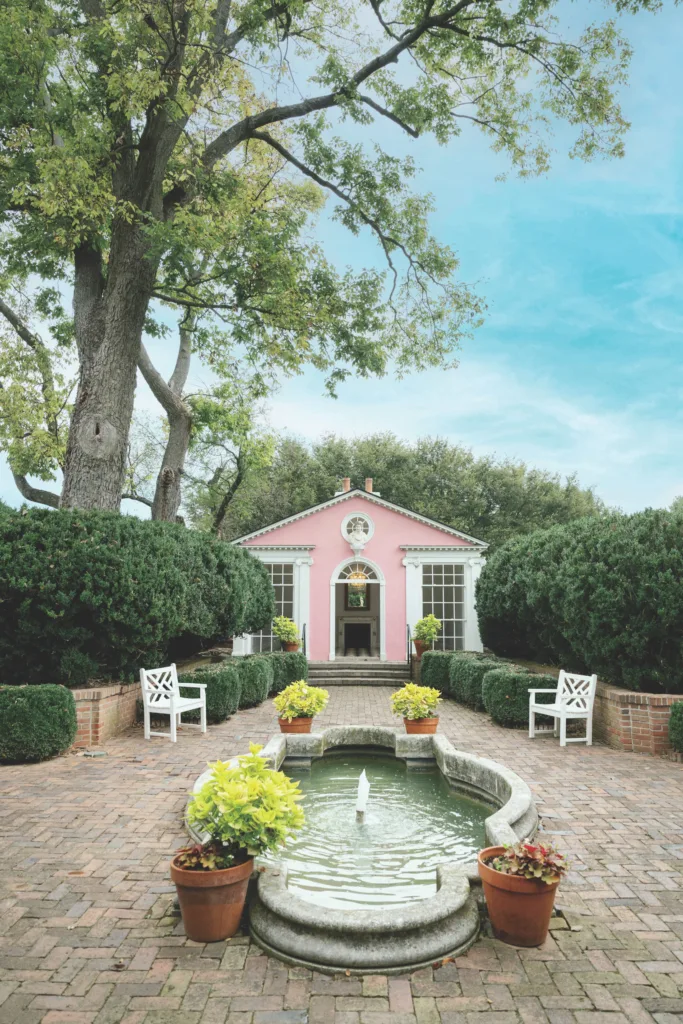
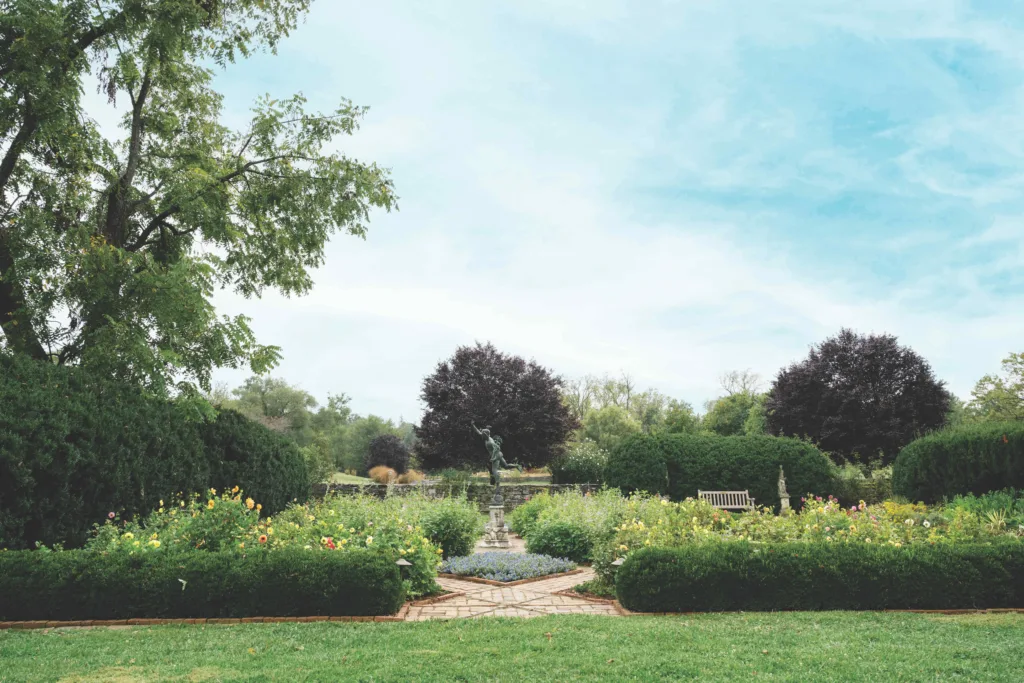
The Fountain Courtyard Garden at the MSV’s Pink Pavillion on the grounds of the museum’s Glen Burnie House
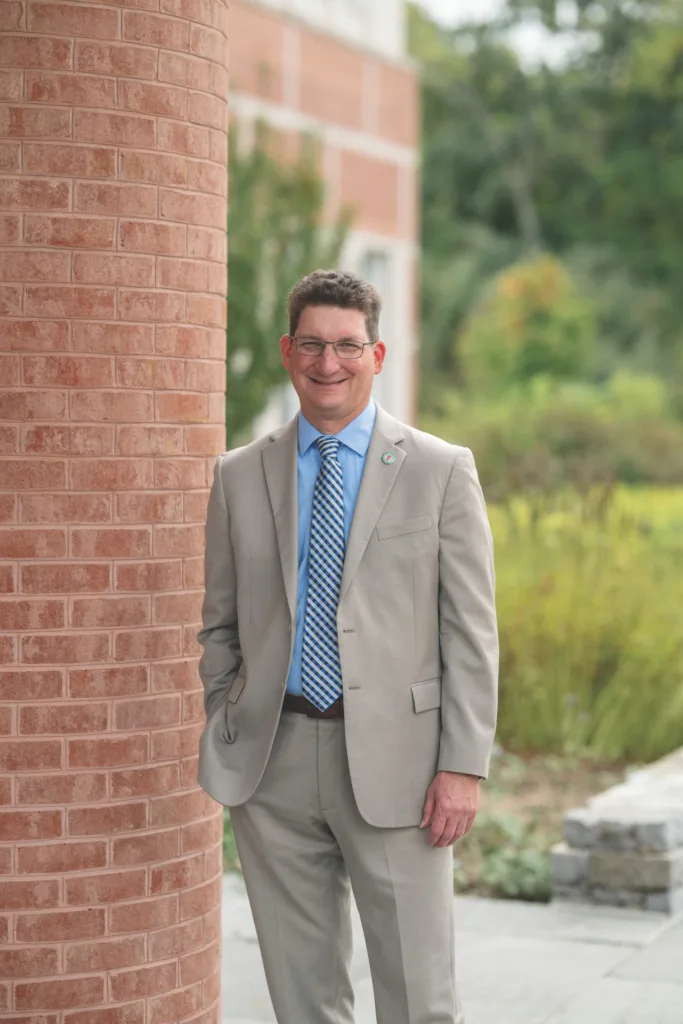
Scott Stroh, MSV’s executive director
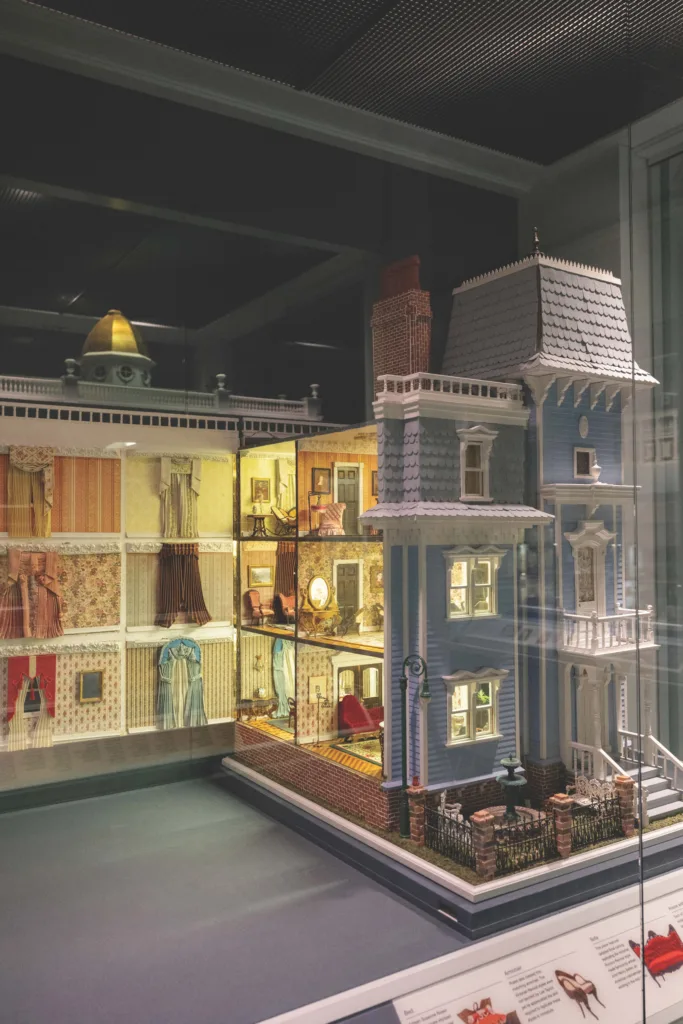
The MSV’s R. Lee Taylor Miniatures Collection includes examples by some of the best miniatures artisans of Taylor’s era.
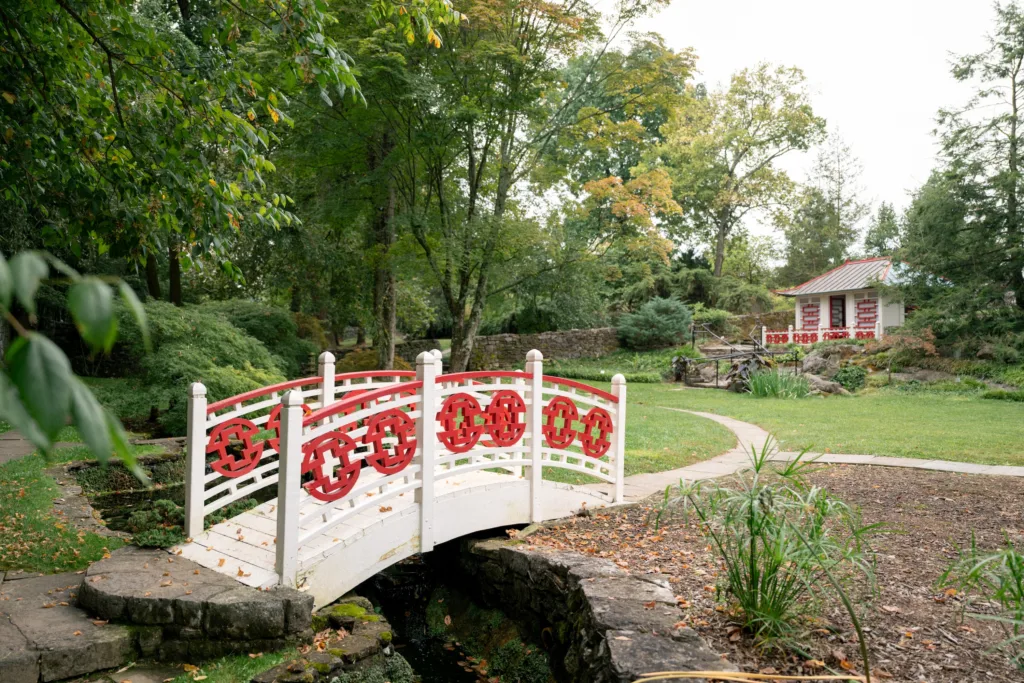
Among the MSV’s 7 acres is a Japanese garden. Julian Wood Glass and R. Lee Taylor began designing the landscape in 1956.
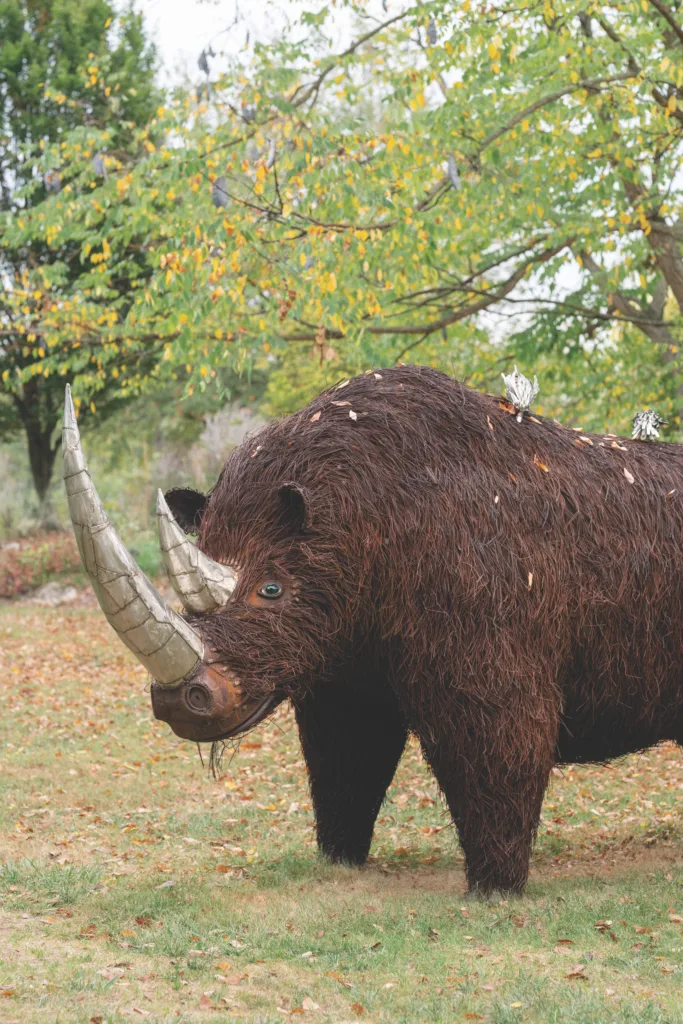
A woolly mammoth, made entirely out of metal, along the trails at the MSV
A City of Big Gestures
Even Winchester’s civic institutions come with ripe backstories. Judge John Handley, an Irish-Pennsylvanian who loved visiting here, left the city $250,000 in his will in 1895—nearly $10 million today—to build a library. The result, the Handley Regional Library, opened in 1913, is a Beaux-Arts stunner that would impress in a city 10 times the size. On a weekday visit, I found it buzzing with mothers, children, and students, all drawn to what has become “the place to be.”
Just steps away, the Shenandoah Valley Civil War Museum tells the story of Winchester changing hands an astonishing 72 times from 1861–1865. “I think they counted every time a soldier ran through town,” one volunteer joked. Housed in the Greek Revival Frederick County Courthouse, the museum preserves graffiti left by Civil War prisoners—names and curses still visible on the walls, including the famous “Curse to Jeff Davis.”
And history buffs shouldn’t miss the Civil War Orientation Center at the Winchester–Frederick County Visitors Center, which offers self-guided tours to battle sites, including Kernstown and Third Winchester.
Come dinnertime, Chef Dan Kalber delivers. Whether at Water Street Kitchen, where Southern staples are made with local produce; or at Village Square, where contemporary American cuisine meets international flair—think pan-roasted scallops with butter squash purée, local mushrooms, spinach, candied pepita, and sage beurre blanc.
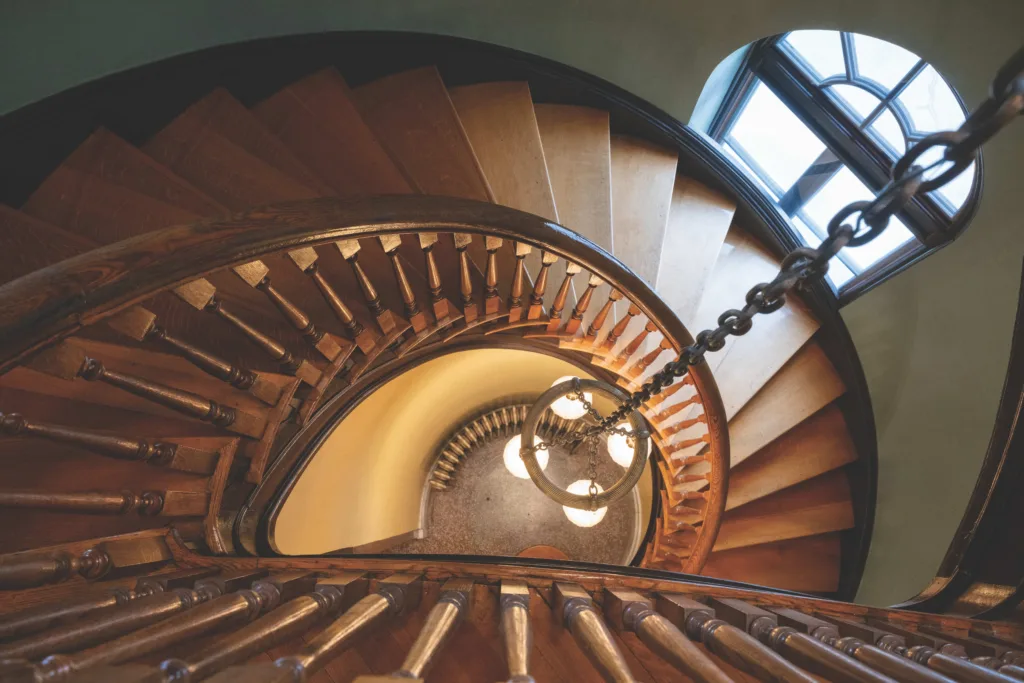
The dramatic winding staircase at the Handley Regional Library is original to the 1913 design.
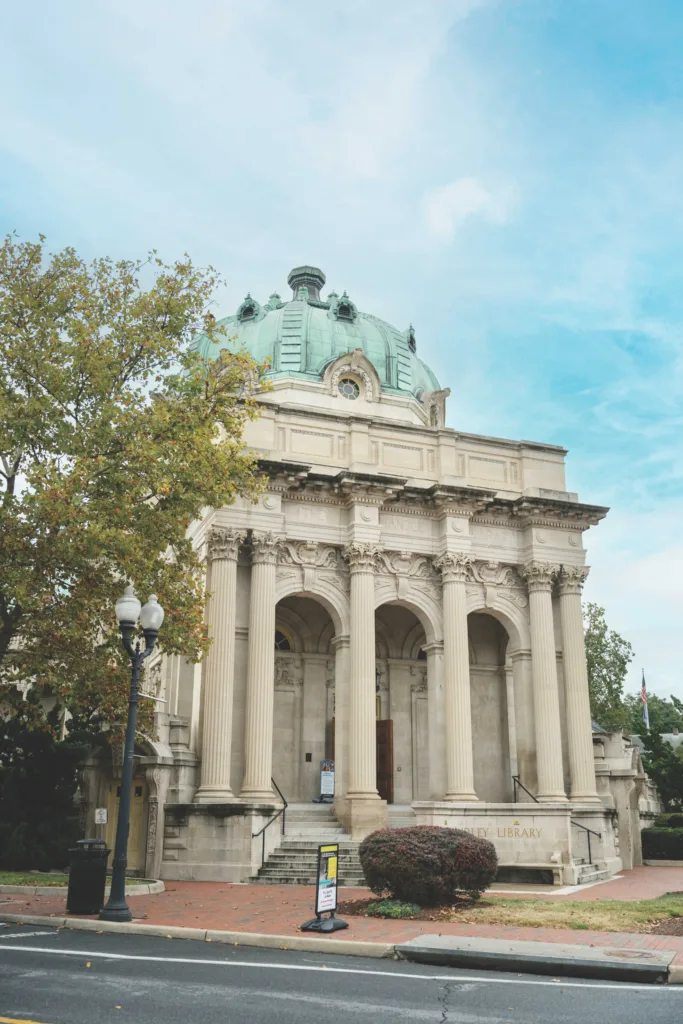
Winchester’s Handley Regional Library, one of the city’s iconic structures
Old Town, New Energy
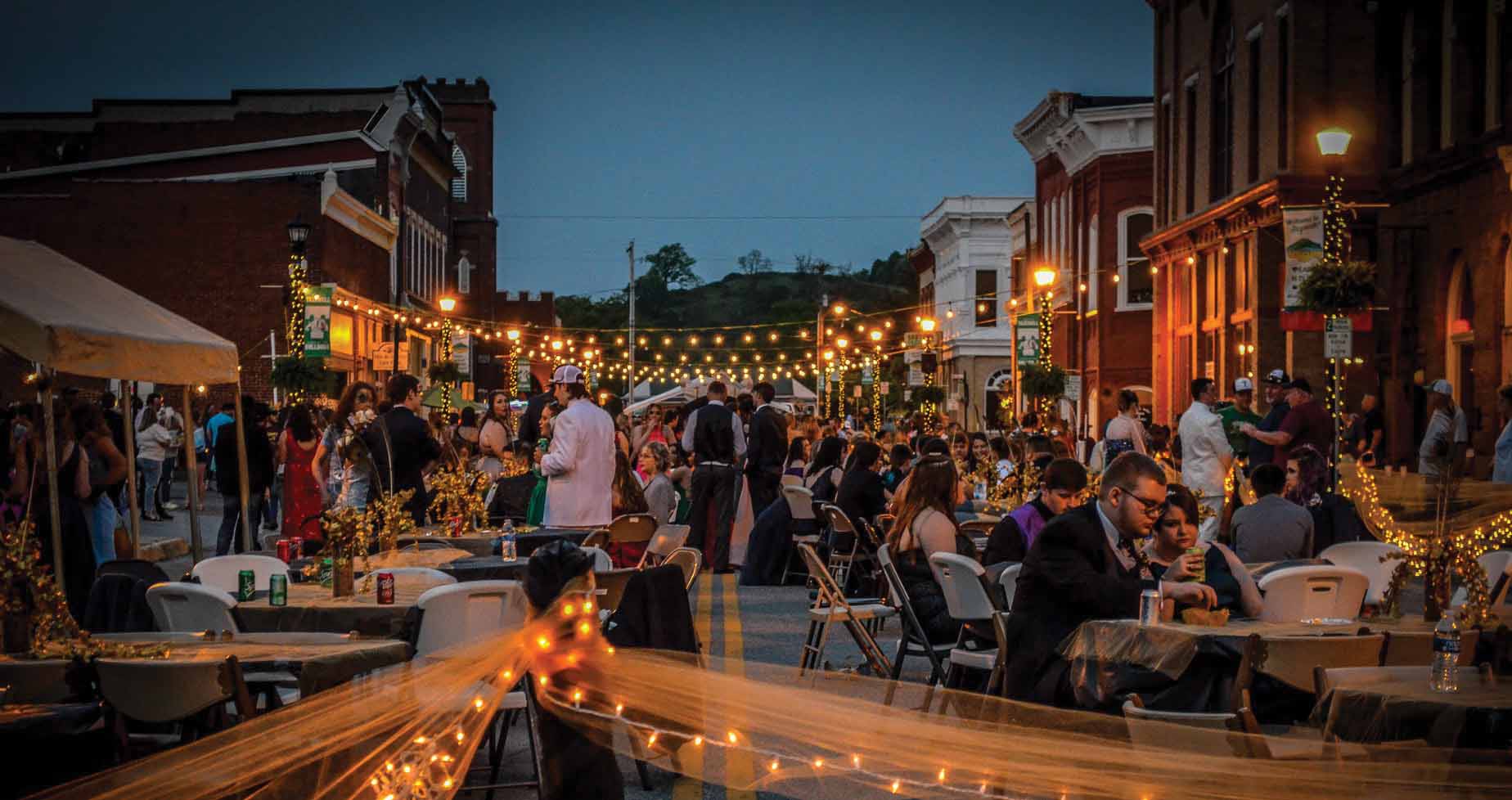
Much of modern Winchester centers on Old Town, a 45-block National Register Historic District anchored by the Loudoun Street Pedestrian Mall. Revitalized by a $7 million renovation in 2013, it brims with outdoor cafés, boutiques, specialty shops, and year-round family activities. And there’s more to come. “We’re working on a plan to shape the future of Old Town,” says Brady Cloven, executive director of Friends of Old Town, the organization behind the master plan. “Our focus is on revitalizing our public spaces, supporting small businesses, and making sure Old Town grows sustainably while staying true to its historic charm.”
Cloven acknowledges that Winchester has begun to attract professionals seeking to relocate and families drawn to country living with convenient access to Northern Virginia’s urban amenities. “We’ve evolved into something of a bedroom community given our proximity to D.C. and the Northern Virginia suburbs,” he says. “But these newcomers truly integrate—they put down roots and become genuine members of the community.”
On Braddock Street, I stopped at Kimberly’s, a Winchester institution in a grand antebellum mansion with the big red apple out front. There, Kimberly Sowers has built a destination for fashion, gifts, and home goods—from Lilly Pulitzer and Julie Vos to Mariposa and Matouk—with McKee’s Men’s Shop tucked inside. Next door at The Market is where Kimberly’s husband, Berry Morefield, churns out homemade ice cream at Chicky’s—dubbed after the nickname he gave her—alongside wines, gourmet foods, and gift baskets. “We do everything but automotive,” jokes this retail maven about the empire she’s curated. “You can walk out with fine china, a pair of boxers, and a bottle of wine.” Her secret sauce, she says, is about morphing. “We listen to what our customers want and then go from there.”
The Heart of It All
Everywhere I looked, Winchester was a city constantly reinventing itself without ever discarding its past. From orchards and battlefields to boutique shops and barbecue, it’s a place where history is layered into everyday life.
And that may be Winchester’s greatest gift: It doesn’t just preserve its stories—it lives them.
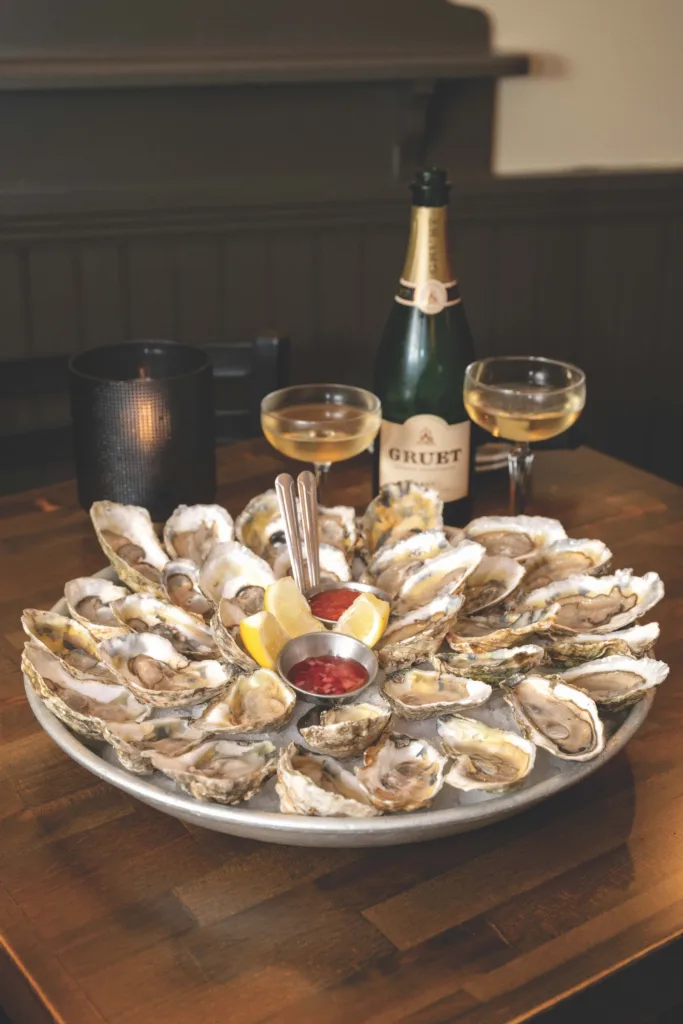
Chincoteague oysters on the half shell with Champagne at Village Square Restaurant
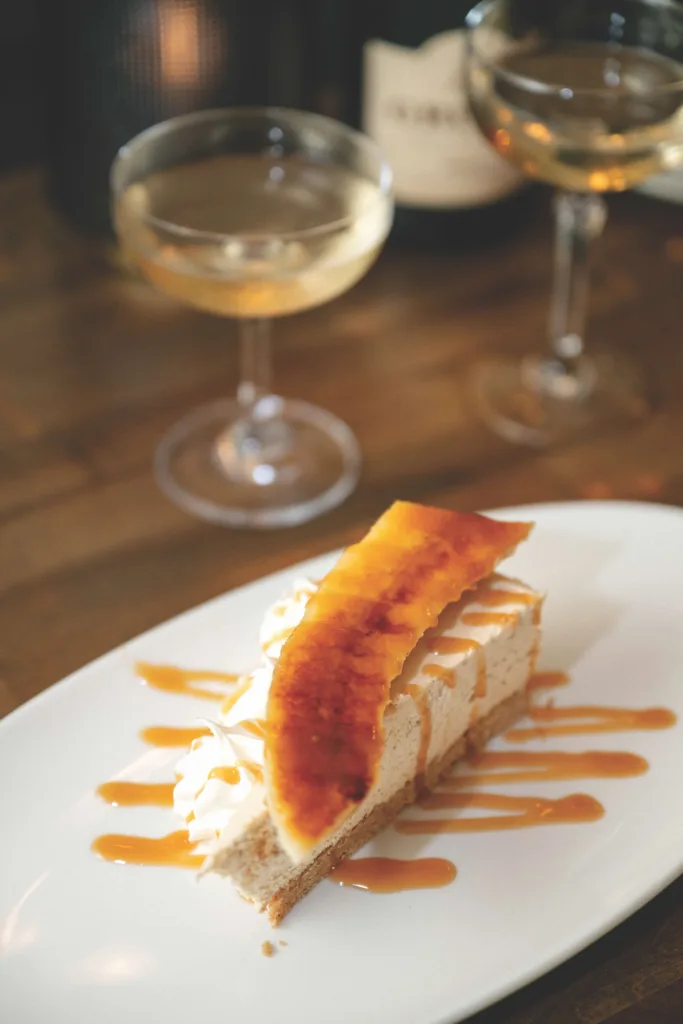
Banana foster cheesecake at the Village Square Restaurant drizzled with Mount Gay Rum caramel
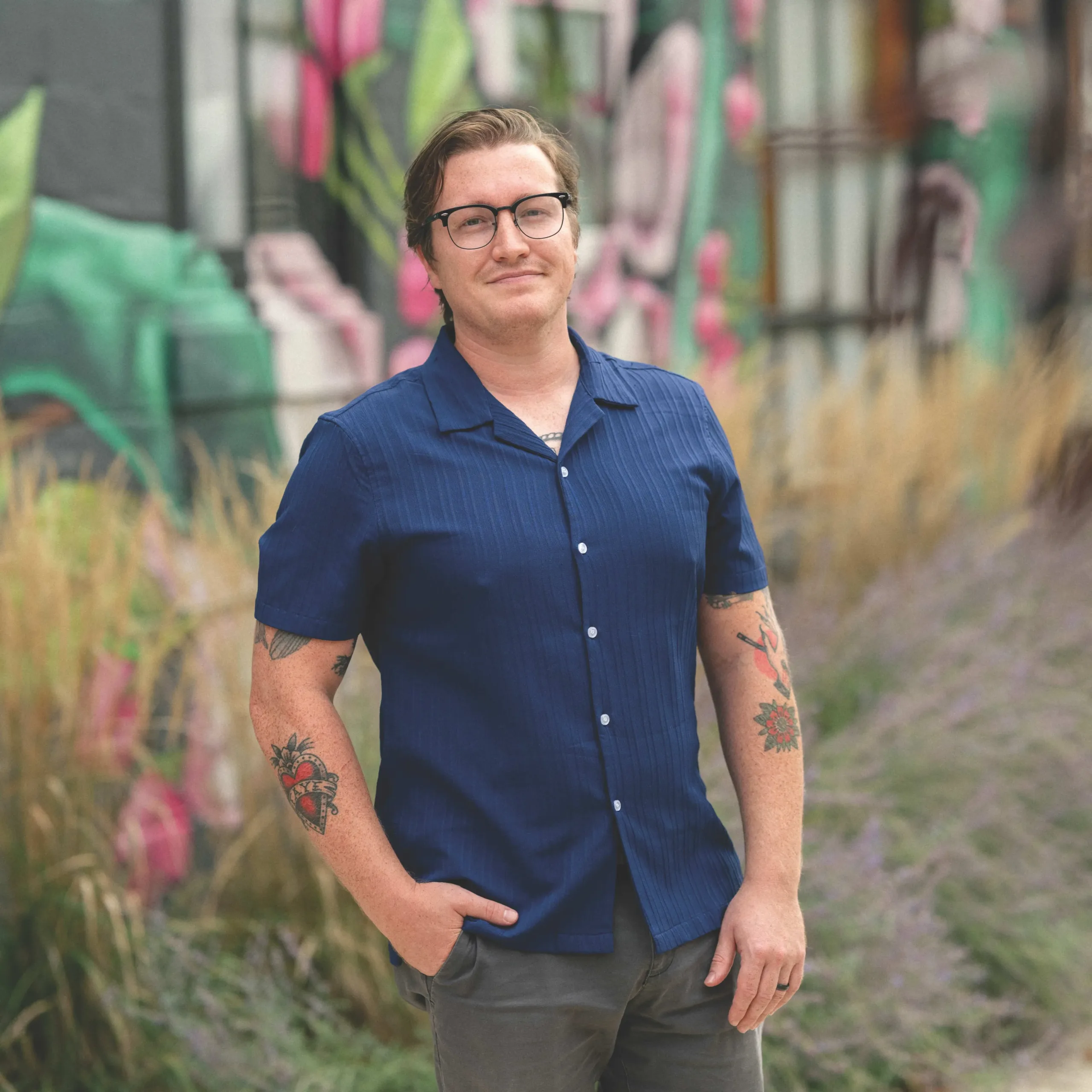
Want the inside scoop on Winchester’s hidden gems? Look no further than Brady Cloven, executive director of Friends of Winchester, who knows every nook and cranny of this historic city.
1. Vineyards: Winchester’s Shenandoah Valley location hosts exceptional wineries within minutes of the city. The Briedé Family Vineyard offers award-winning French-style wines on 25 scenic acres, while James Charles Winery boasts 97 Wine Enthusiast awards with panoramic views. Historic Valerie Hill Vineyard operates from an 1807 Federal brick manor. ShenandoahValleyWineTrail.com
2. Stonewall Jackson’s Headquarters: This 1854 Gothic Revival house served as Confederate General “Stonewall” Jackson’s headquarters from November 1861–March 1862. The Virginia National Historic Landmark houses the largest collection of Jackson memorabilia, including his personal prayer table and initialed prayer book. Jackson planned his famous Shenandoah Valley campaign from this Winchester cottage. WinchesterHistory.org
3. Self-guided walking tours: Winchester offers several excellent self-guided walking tours for exploring its rich history. The Winchester-Frederick County Visitors Bureau provides seven free mobile tours including Old Town Winchester History & Architecture and Civil War Walking Tours. Friends of Old Town recently launched “History of Us,” featuring QR codes on buildings throughout the Loudoun Street Mall for instant access to historical information. Additional printed brochures cover specialized themes like “Crazy for Patsy Cline” and “Walking Washington’s Winchester.” VisitWinchesterVa.com, FriendsOfOldTown.com
4. Craft beers & cideries: Winchester boasts a vibrant craft beer scene with six breweries and two cideries, most within walking distance of each other. Broken Window Brewing Company operates as Winchester’s premier nano brewery in Old Town, specializing in diverse craft beers. Misty Mountain Meadworks holds the distinction as Virginia’s oldest operating meadery, crafting honey-wine and operated by the Copeland family. Winchester’s Beer & Cider Trail offers a passport program for visitors exploring multiple locations. WinchesterBrewTrail.com
5. Abrams Creek Wetlands Preserve: Nestled within Winchester, the 25-acre Abrams Creek Wetlands Preserve serves as the city’s first formally protected nature preserve. Home to over 300 plant species and 180 bird species, visitors can explore marshes and swamps via a 1-mile boardwalk trail, with free dawn-to-dusk access through Winchester’s Green Circle Trail. WinchesterVA.gov
This article originally appeared in the December 2025 issue.